What style of garden do you like? You might think of established garden styles like formal French, English cottage, baroque, modern, Japanese meditation, naturalistic, desert, new American, contemporary…
All these labels can get confusing, and I think do a poor job of explaining what you want your garden to feel like. Instead, a garden style can be categorized based on its main characteristics. These include formality, geometry, climate, dominant plants, plant diversity, plant density, arrangement, maintenance level, and included features.
Grab paper and pencil as you go and start writing down the characteristics you like. At the end, these characteristics will combine together to create a description of your ideal garden.
Formality
Formality in this context specifies the layout of the garden: how the garden is arranged. Formality lies in a spectrum:
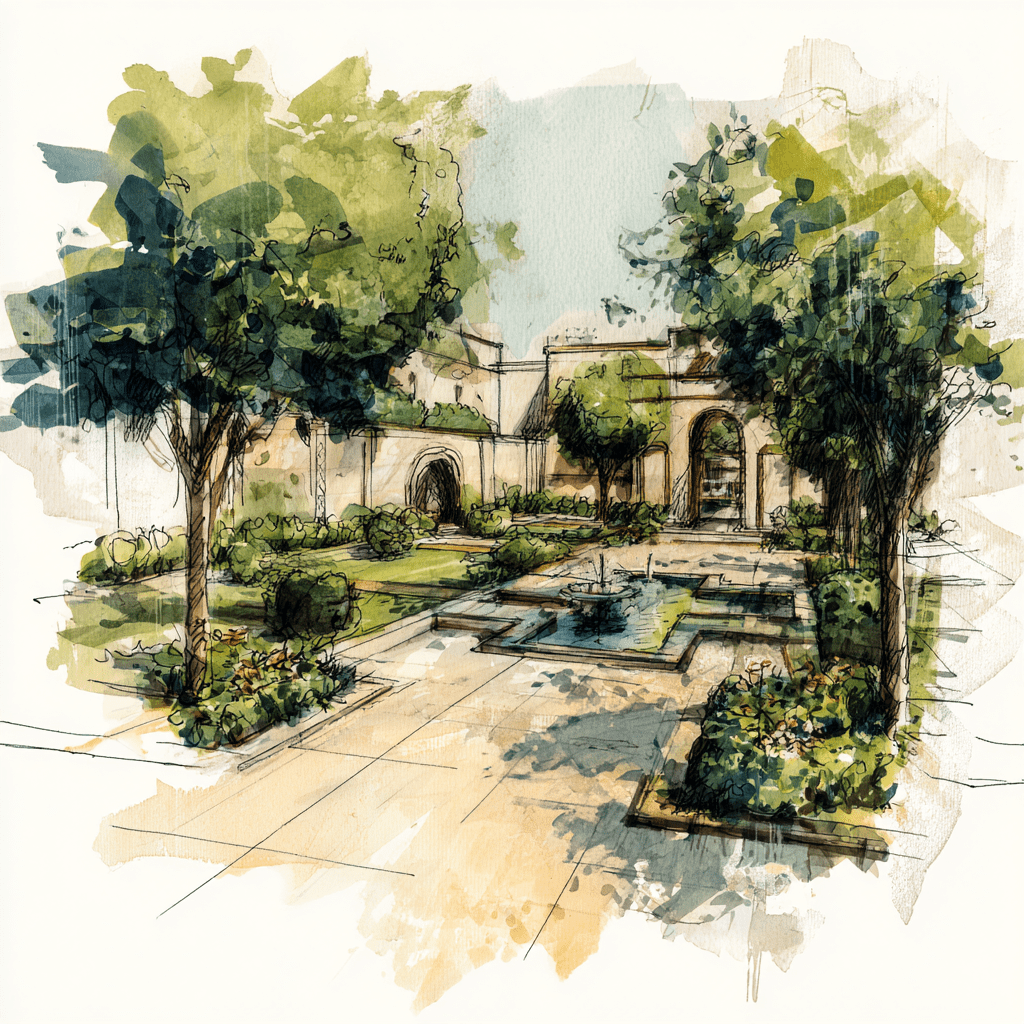
Formal
Formal garden feature distinct lines and signs of cultivation. They generally cost more to construct and require more maintenance. However, due to the orderly layout it is often simpler to maintain, even if it the maintenance needs are more frequent.
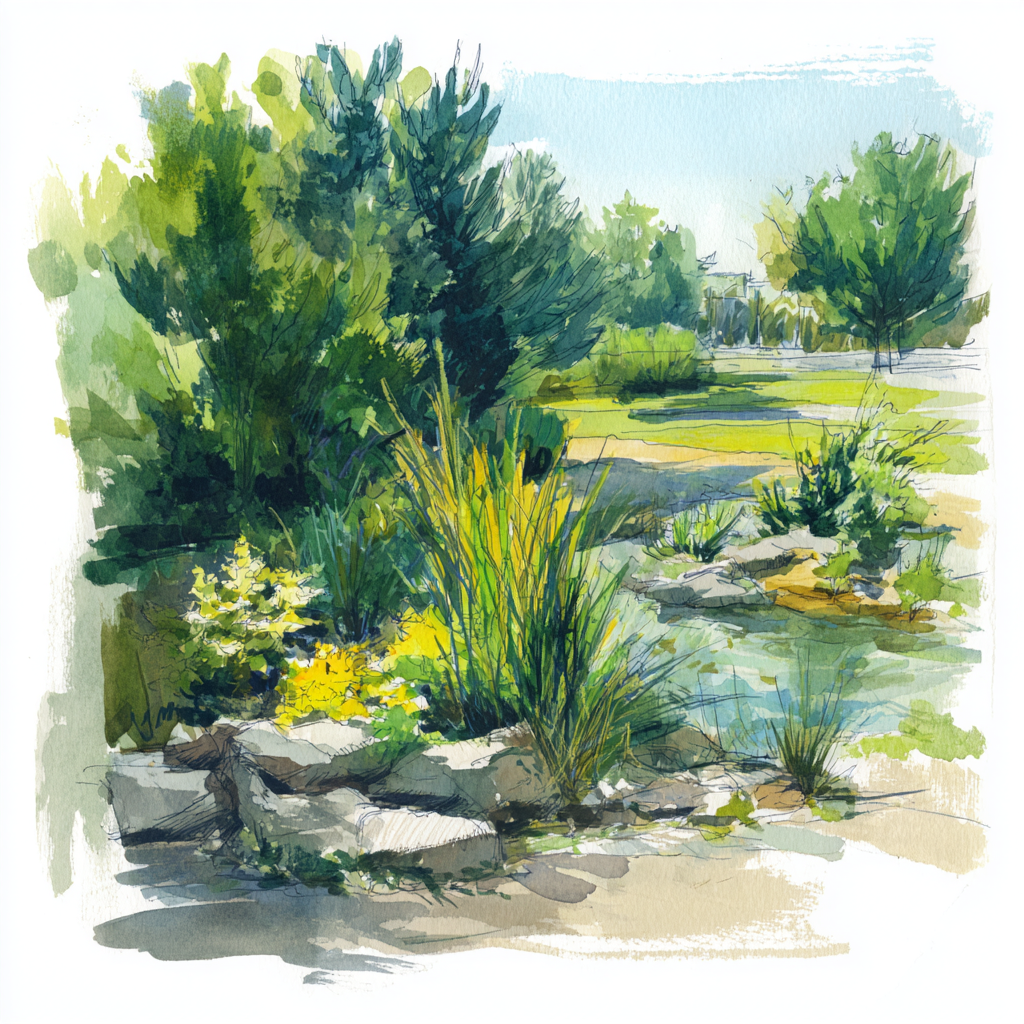
Informal
Naturalized gardens that often lack distinct boarders, with softer transitions between landscape materials, and free-flowing divisions. Because they resemble natural areas, they can be easy to maintain and construct, but only if you work with the current landscape. Major changes will take more time and effort.
Geometry
Geometry also describes the layout of the garden in what shapes are used to form distinct areas. Gardens can be layed out with straight lines, angles and diagonals, circles, or more relaxed curves.
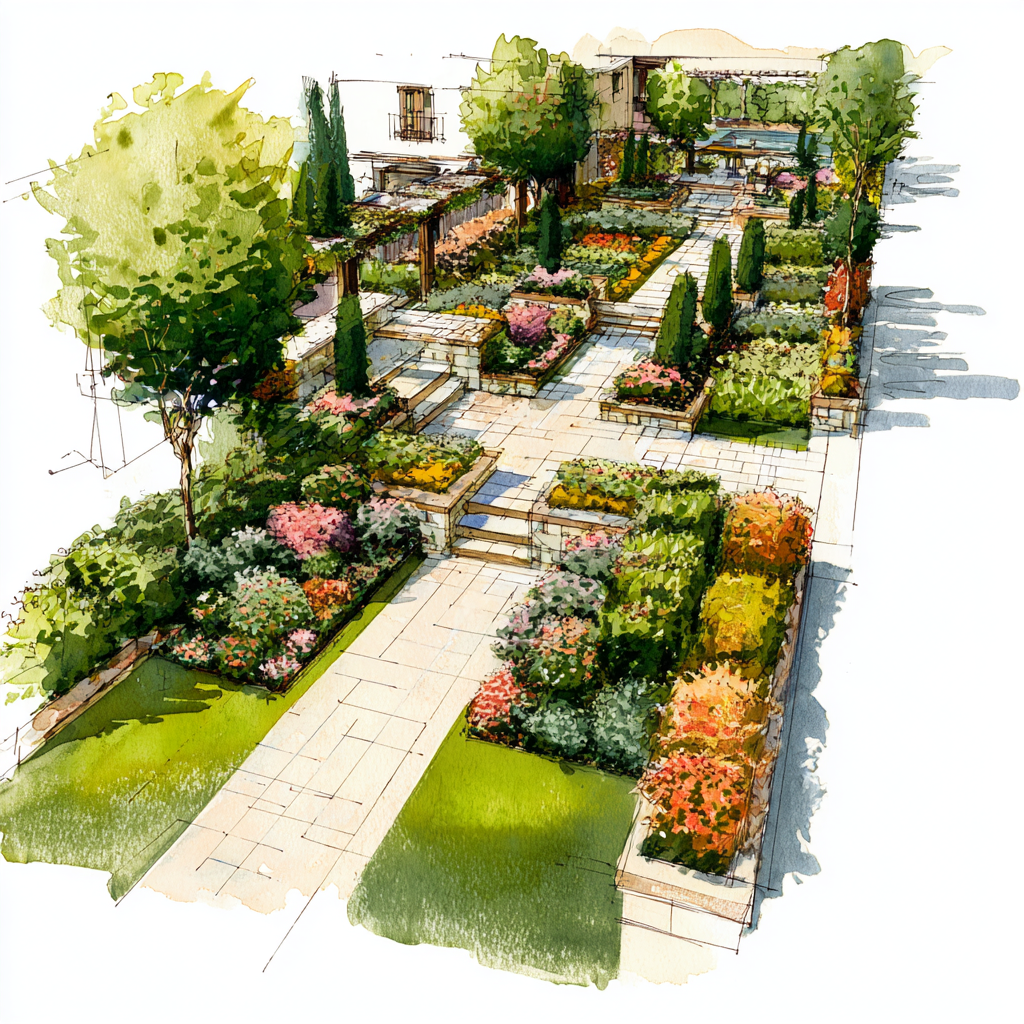
Linear
Straight lines coming together in ninety-degree angles. This layout is usually quite easy to build and maintain but can seem a bit boring.
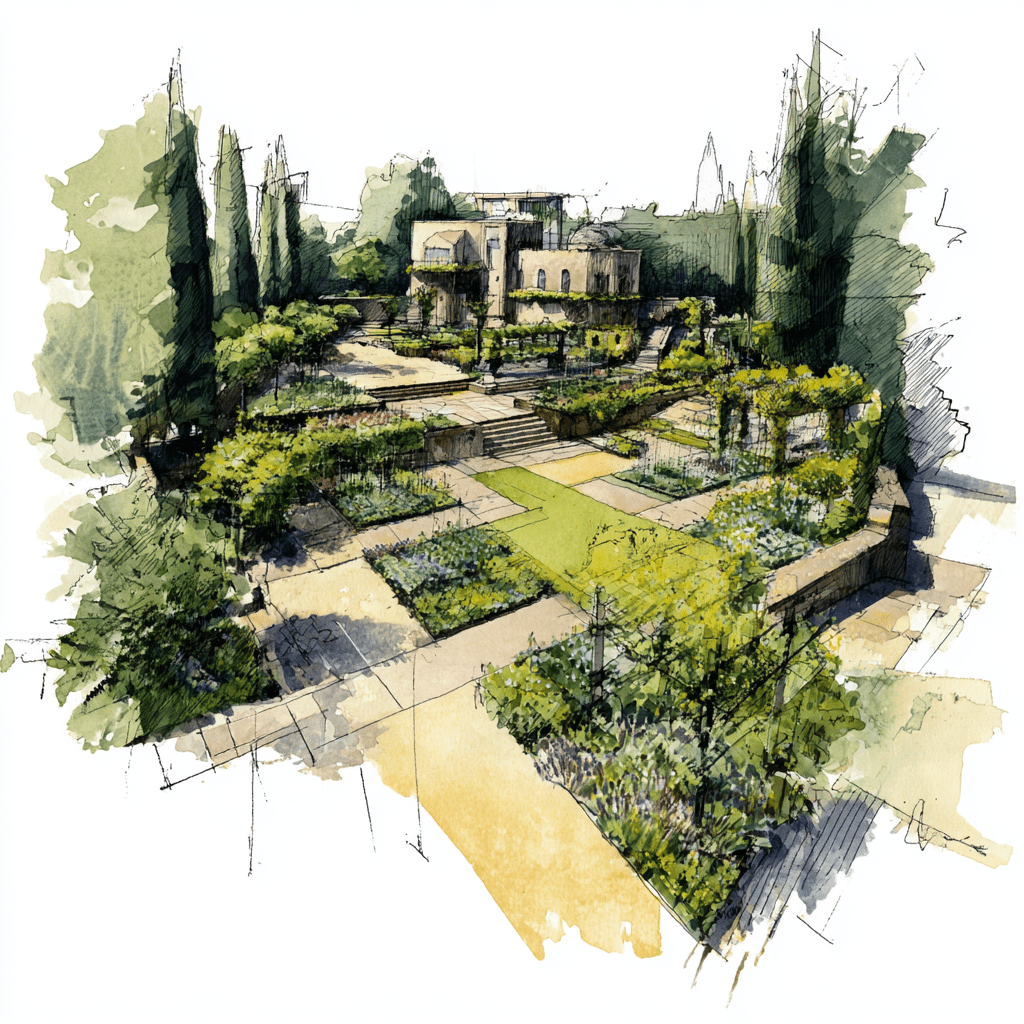
Angular
The layout has diagonals and angles throughout. This layout is often very useful in situations where angles already exist in the landscape.

Circular
Circles form broad forms in the landscape. Circles are quite fun, but more challenging to maintain and build.
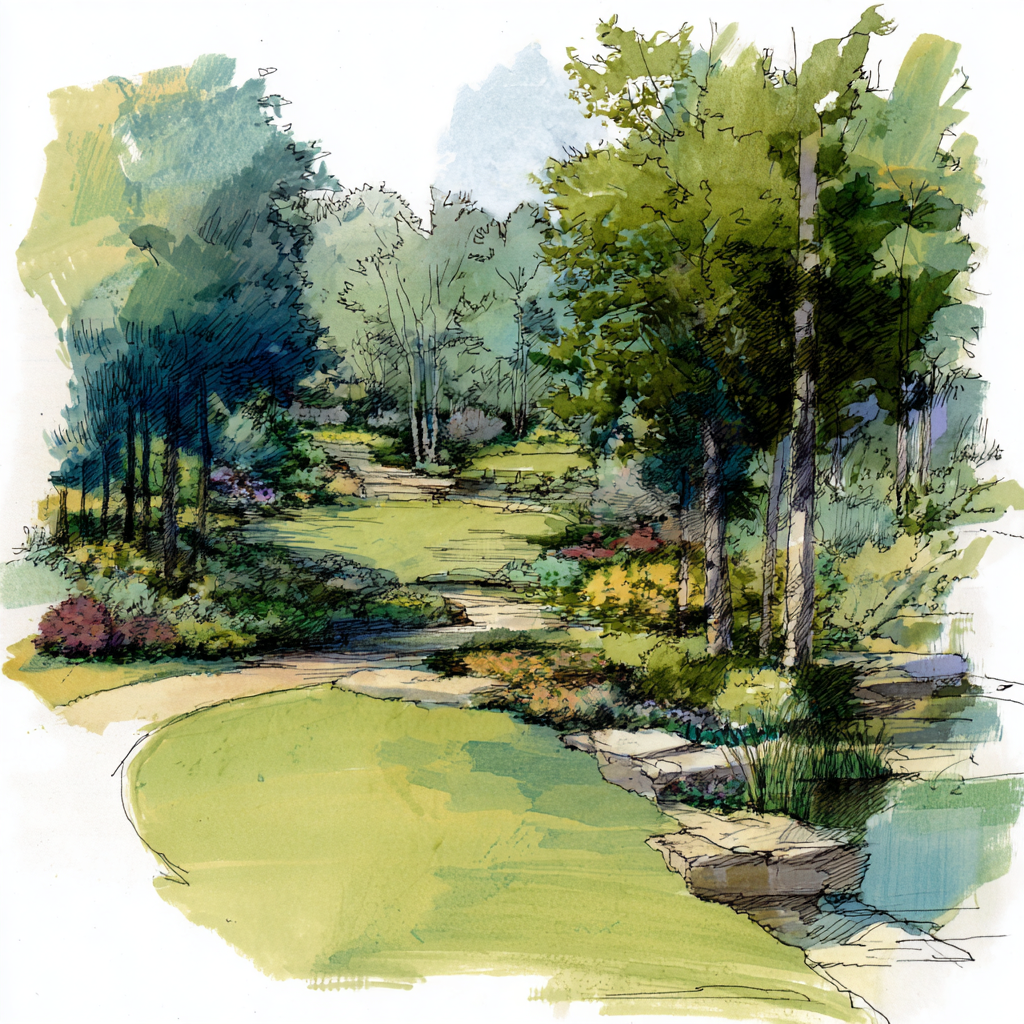
Curvilinear
Relaxed curves sweep the landscape creating soft edges. They are often desired due to their feel. But curves can make some maintenance tasks more challenging and are often harder to install.
Climate
Climate is dependent on where you live, although many strive for gardens that look like something outside of their normal climate. Striving to maintain a garden that looks like something outside of your natural climate does take a lot of work. A desert garden looks great in Arizona and a temperate woodland garden in Georgia: but try planting a temperate woodland garden in Arizona and a desert garden in Georgia and you set yourself up for a lot of failure and frustration. However, it is not impossible, and you can adapt the visual qualities of one climate to another. Basic climates include:

Tropical
Tropical climates have abundant rainfall, and feature lush, layered plants with large leaves.
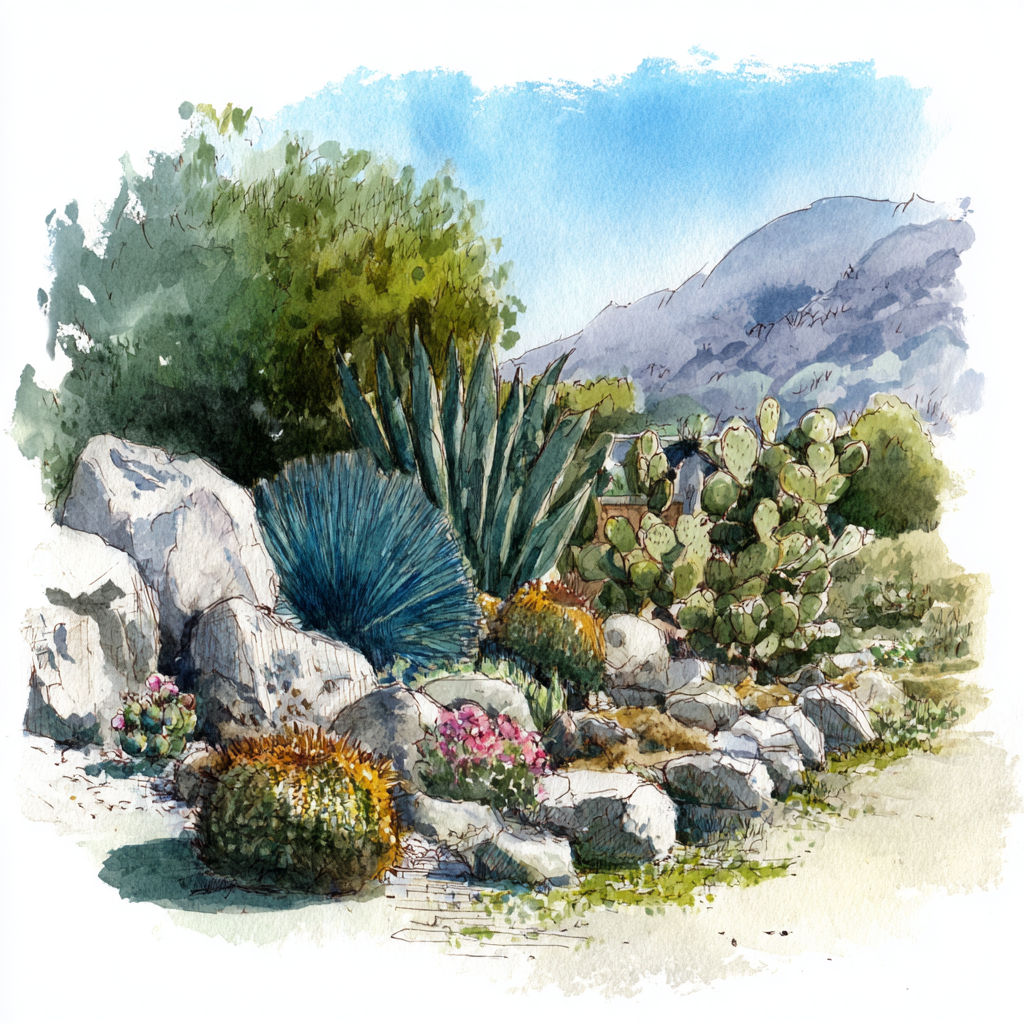
Desert
Deserts have little rain. Plants are spaced further apart and are adapted to dry conditions often with small or succulent leaves.
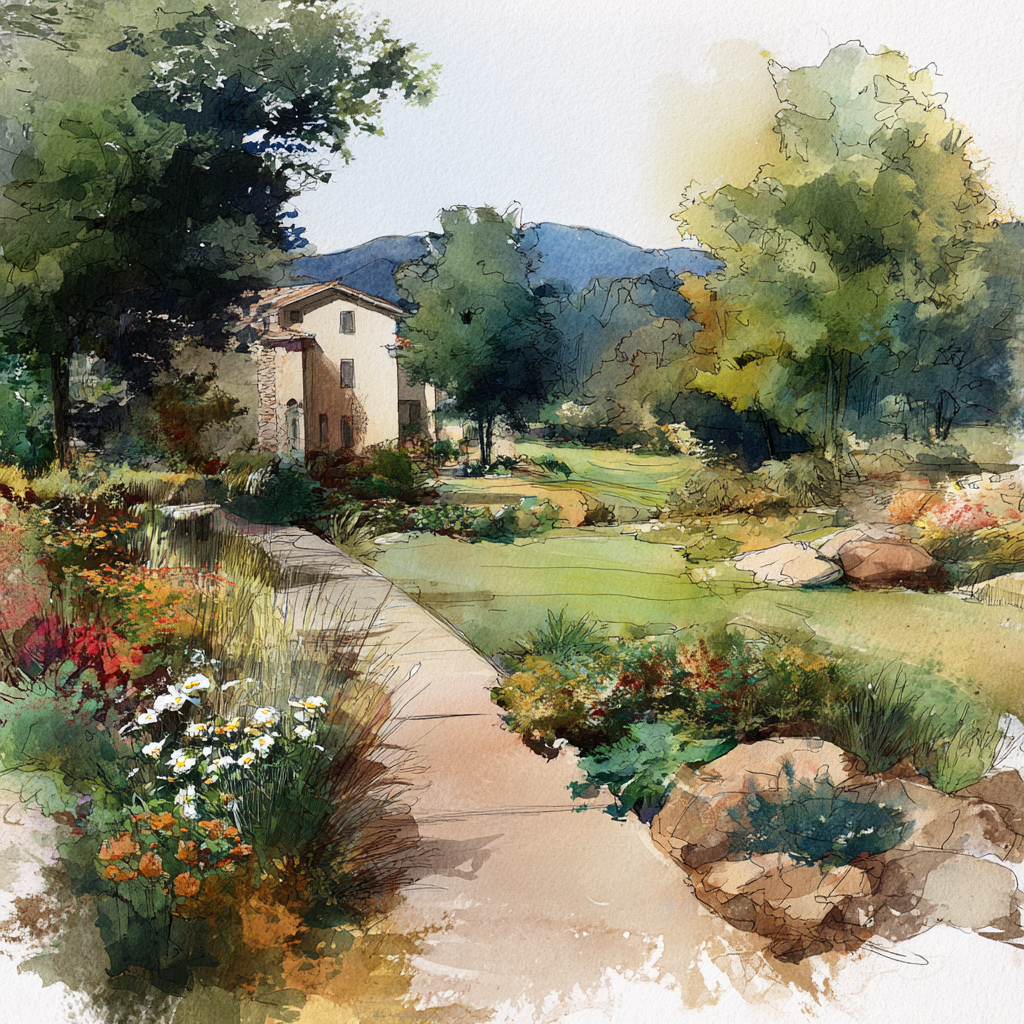
Temperate
Temperate climates feature four seasons. Plants change through the seasons, with flowers, fall color, and dormant times.
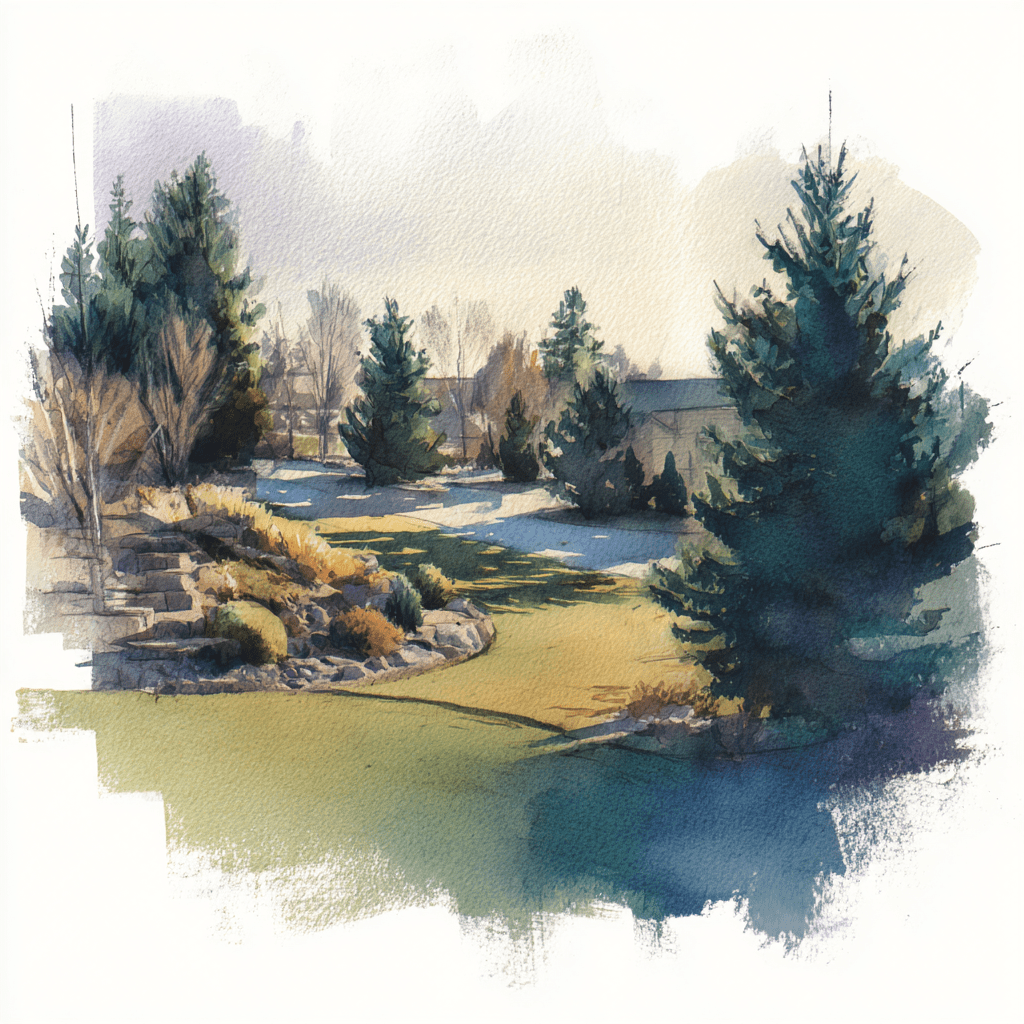
Continental
Continental climates have significant temperature differences and cold winters. Plants must be hardy due to cold temperatures and short growing season.
Dominant Plants
The dominant plants in an area often mimic different ecosystems like grasslands, forests, and deserts.
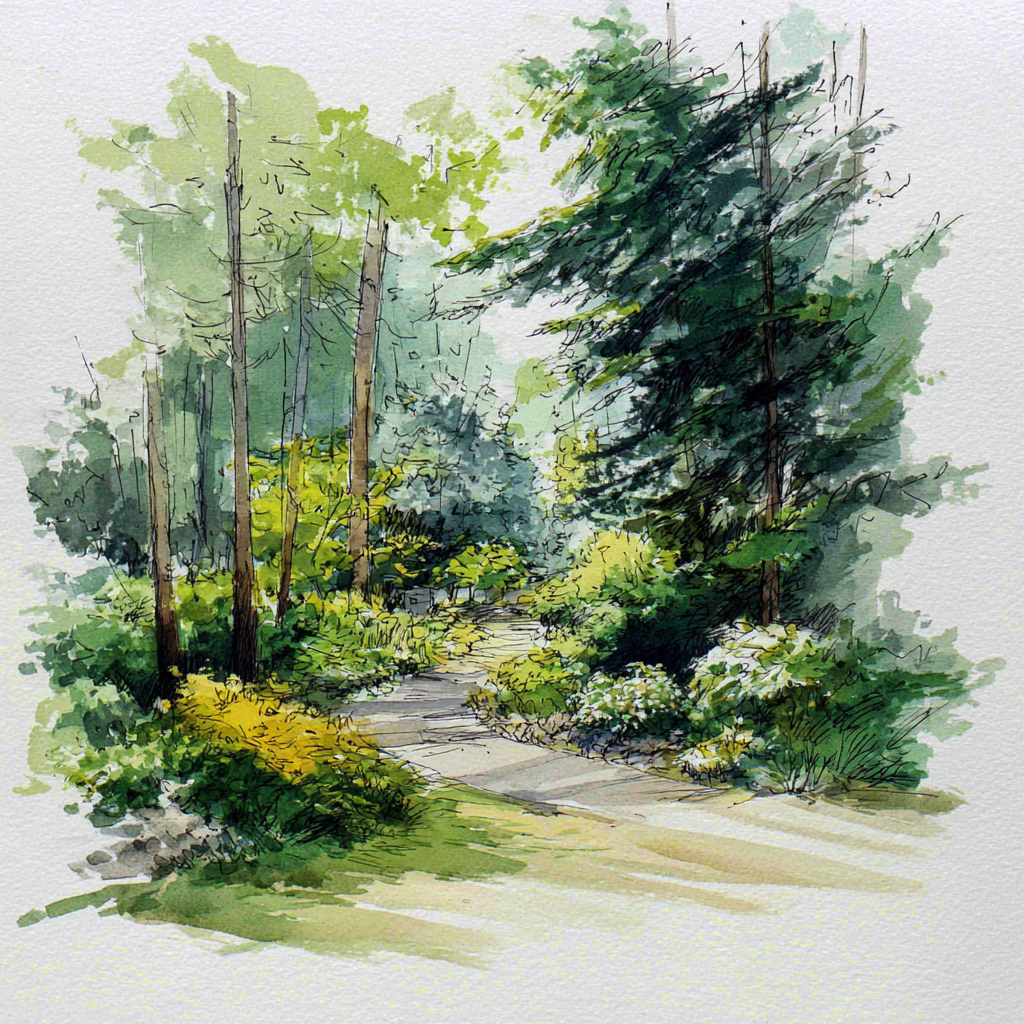
Trees
When trees dominate it creates a forest feel, casting dense shade, and are layered with understory groundcovers and shrubs. Trees require infrequent but knowledgeable maintenance. They initially can be costly, especially if large trees are used.
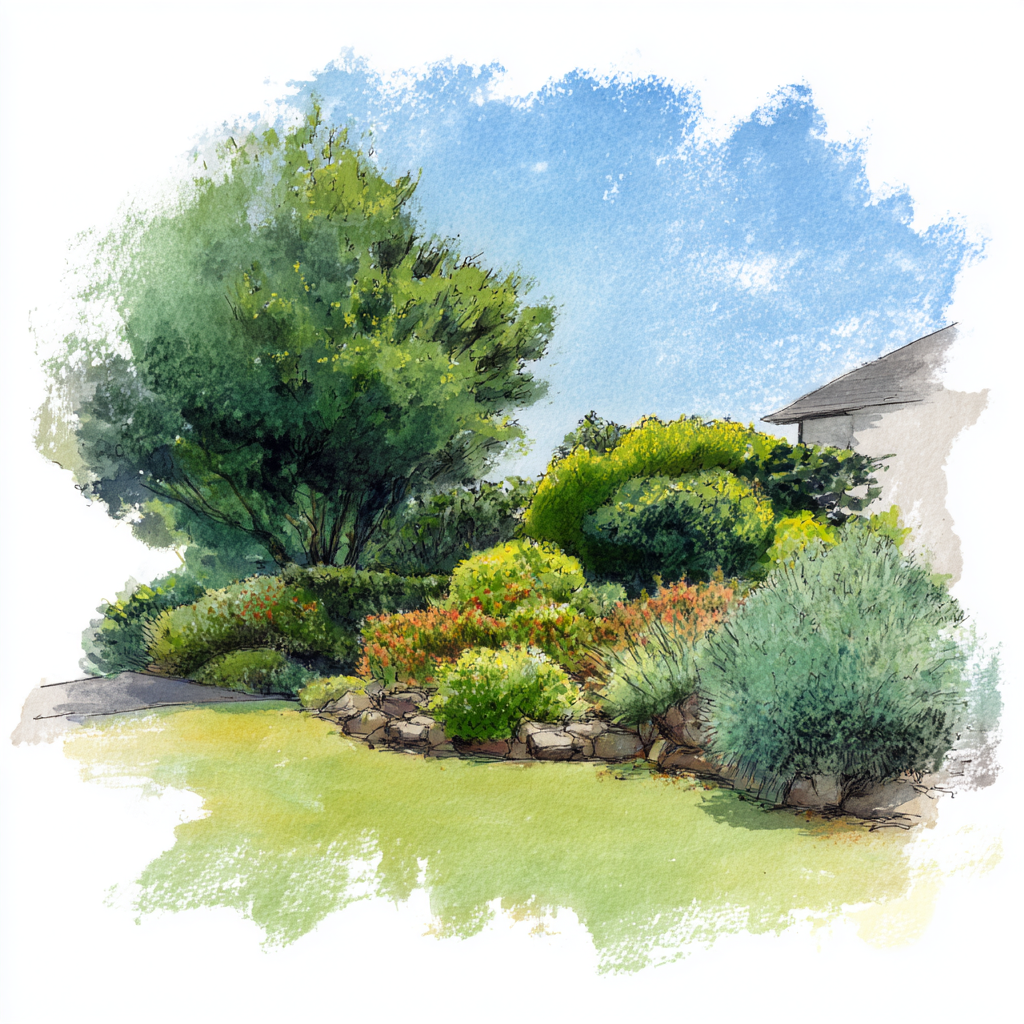
Shrubs
When shrubs dominate, the garden remains sunny but also has established woody plants that can still get quite tall. Shrubs are usually low maintenance unless subject to a regiment of frequent hedging.
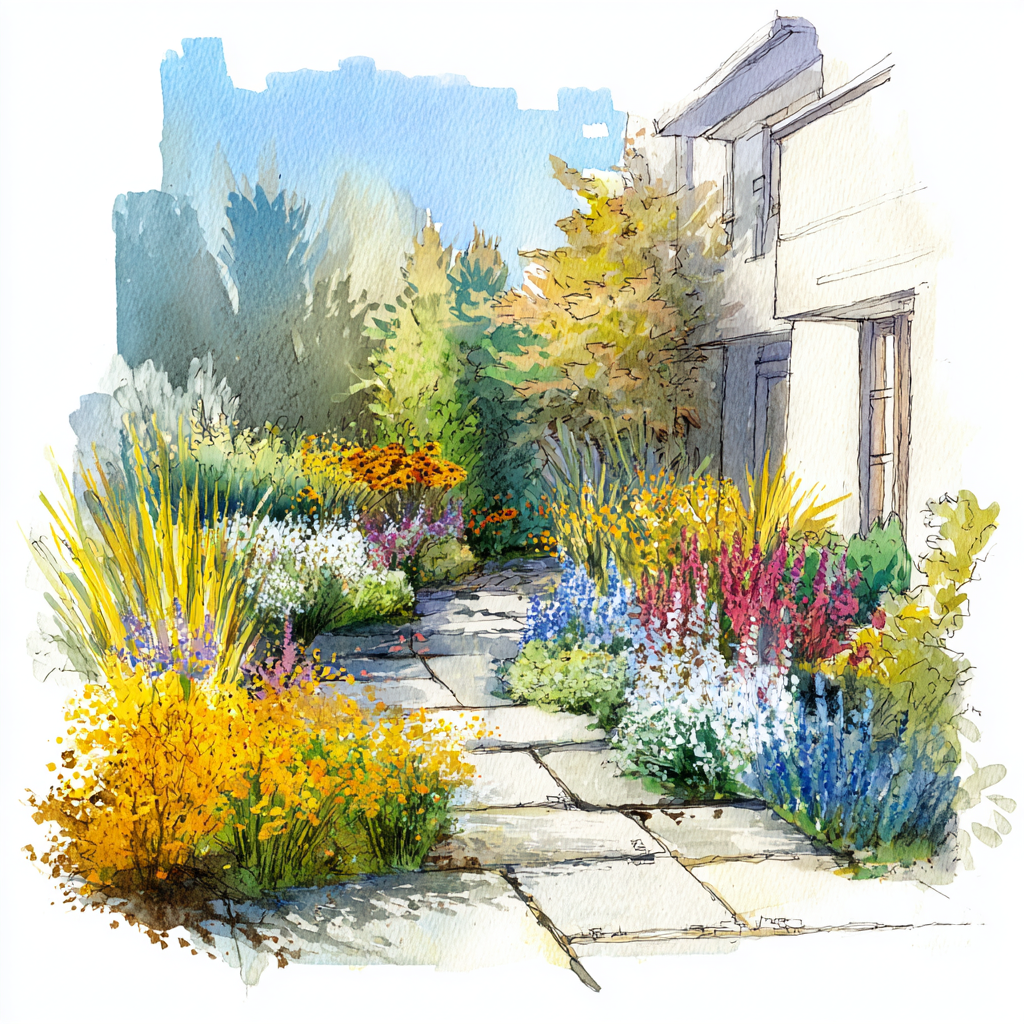
Perennials
Herbaceous perennials feature seasonal flowers and color, combined with a variety of textures and foliage color. If adapted to the area, perennials require little maintenance beyond seasonal cleanup. Some do require extensive maintenance to maintain a manicured appearance.
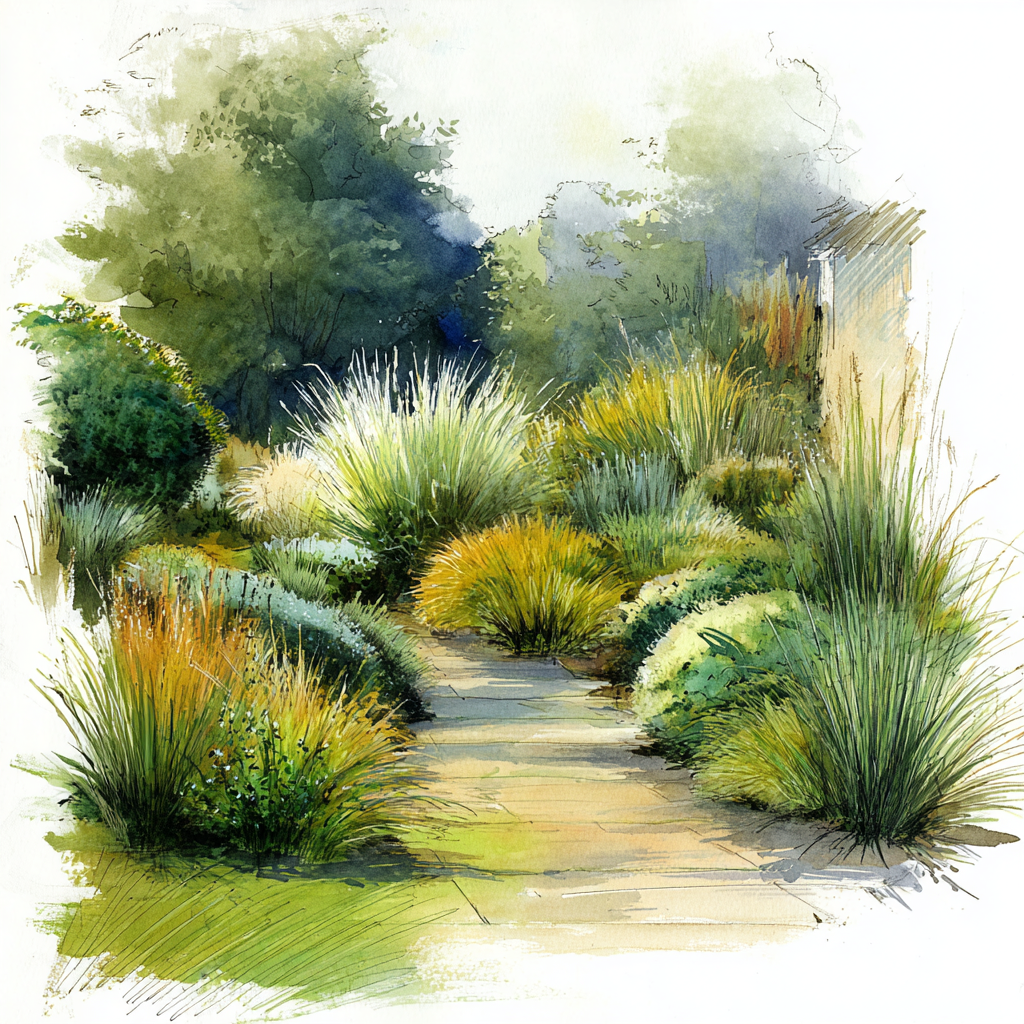
Tall Grasses
Ornamental grasses include tall prairie plants that create texture and movement. Tall grasses generally only need to be cut back once a year.
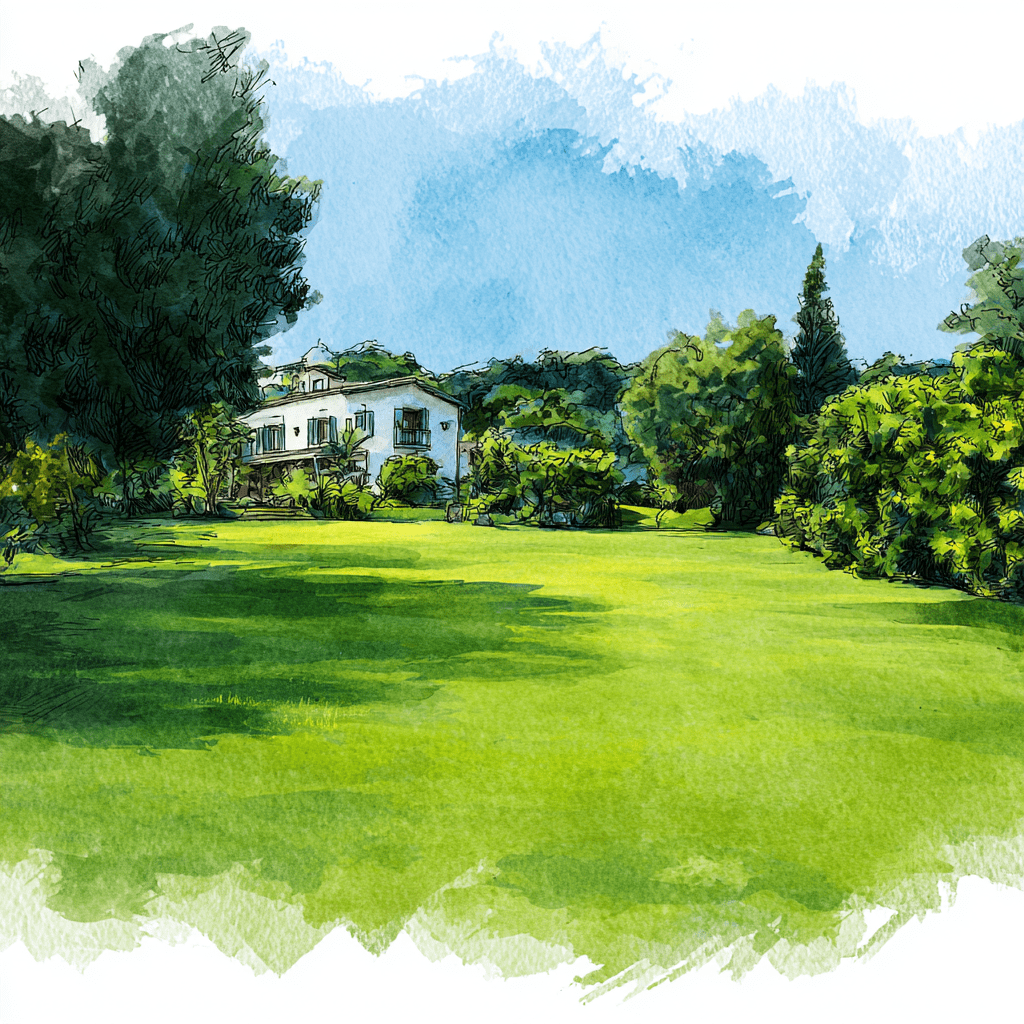
Lawn, Meadows
A low mowed area of turf grass is a popular choice for a dominant plant. You can also consider an open, low-growing area a meadow, which has more diversity than a lawn. Lawns require frequent, weekly maintenance.
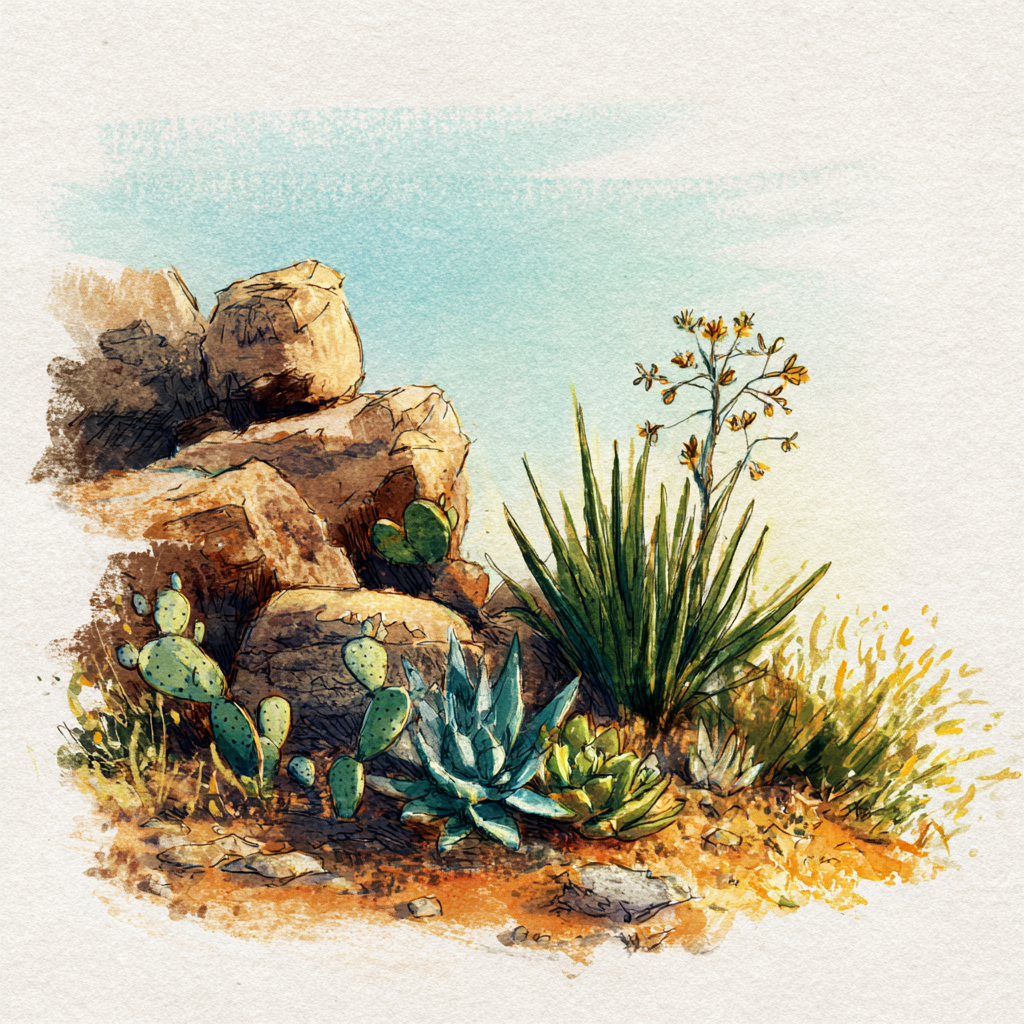
Desert Plants
Desert plants are succulents, cacti, and other species often with lots of visual impact. They can be difficult to establish but require very little maintenance as they mature.
Mixed Plants
All plant types can mix together to create layered gardens.
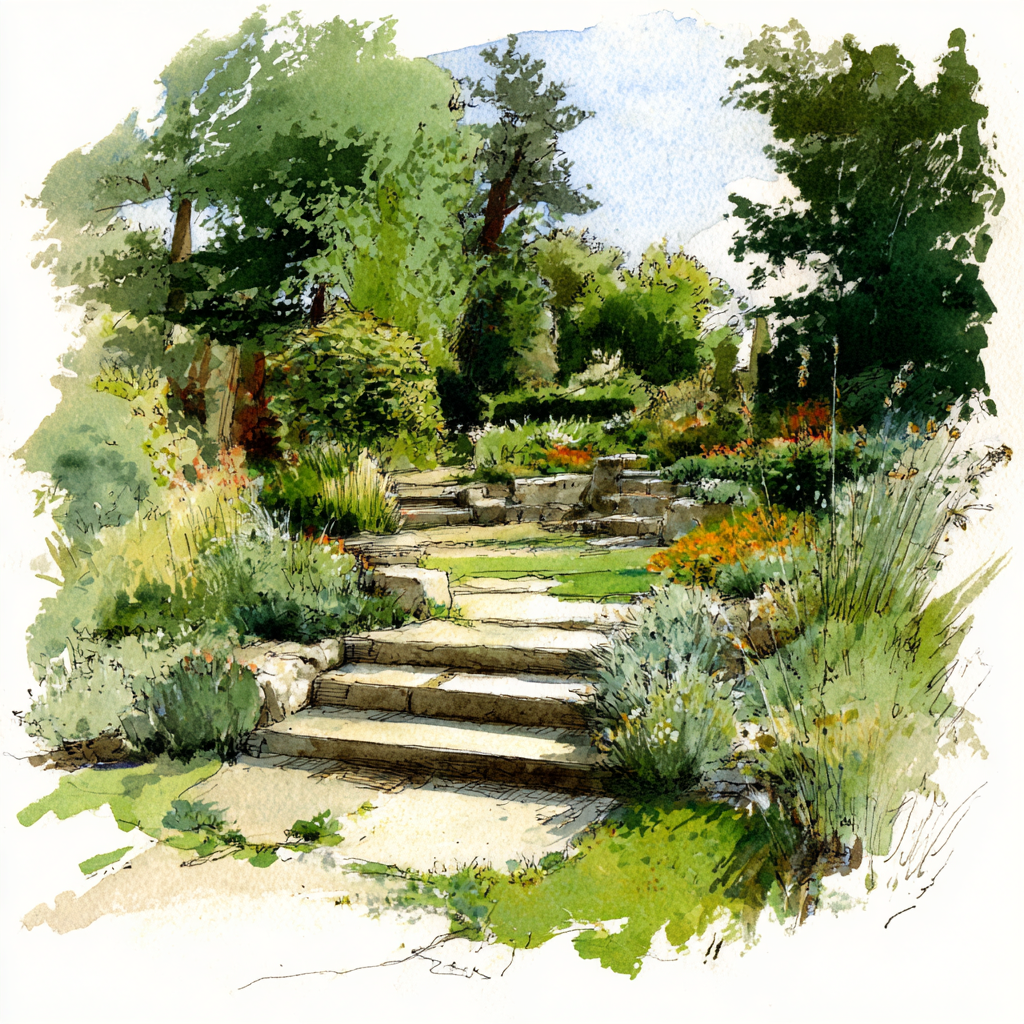
Plant Design
Plants design uses three characteristics: diversity, density, and arrangement. Each of these lie in a spectrum.
Plant Diversity

High Diversity
Wide variety of plant types. This generally is harder to install and maintain due to wider variety of plants.

Low Diversity
Just a few species of plants, or homogenous. It’s easy to design and maintain but has less interest.
Plant Density
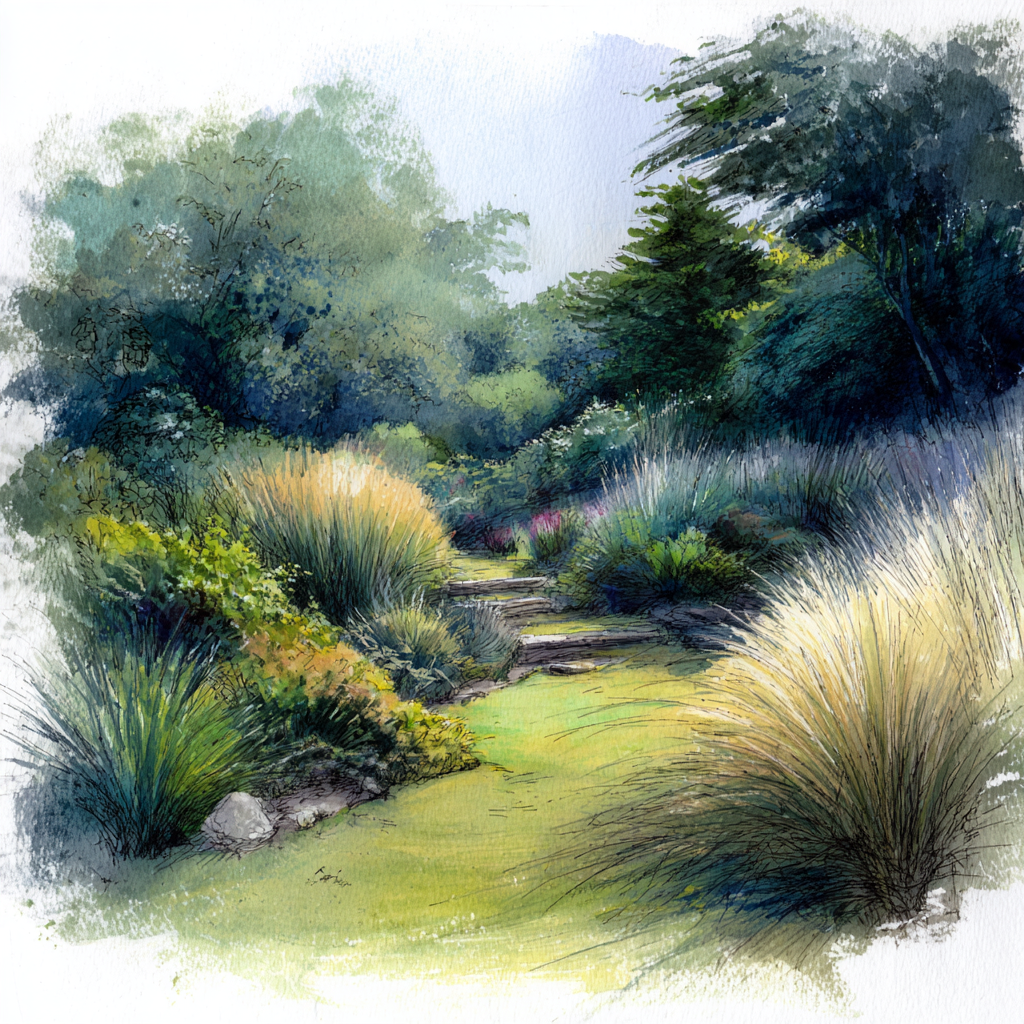
High Density
Plants are spaced tightly and grow into each other. At a very high density this can actually make for more work as plants compete with each other. But at a medium-high density it helps crowd at weeds and creates a lush garden.
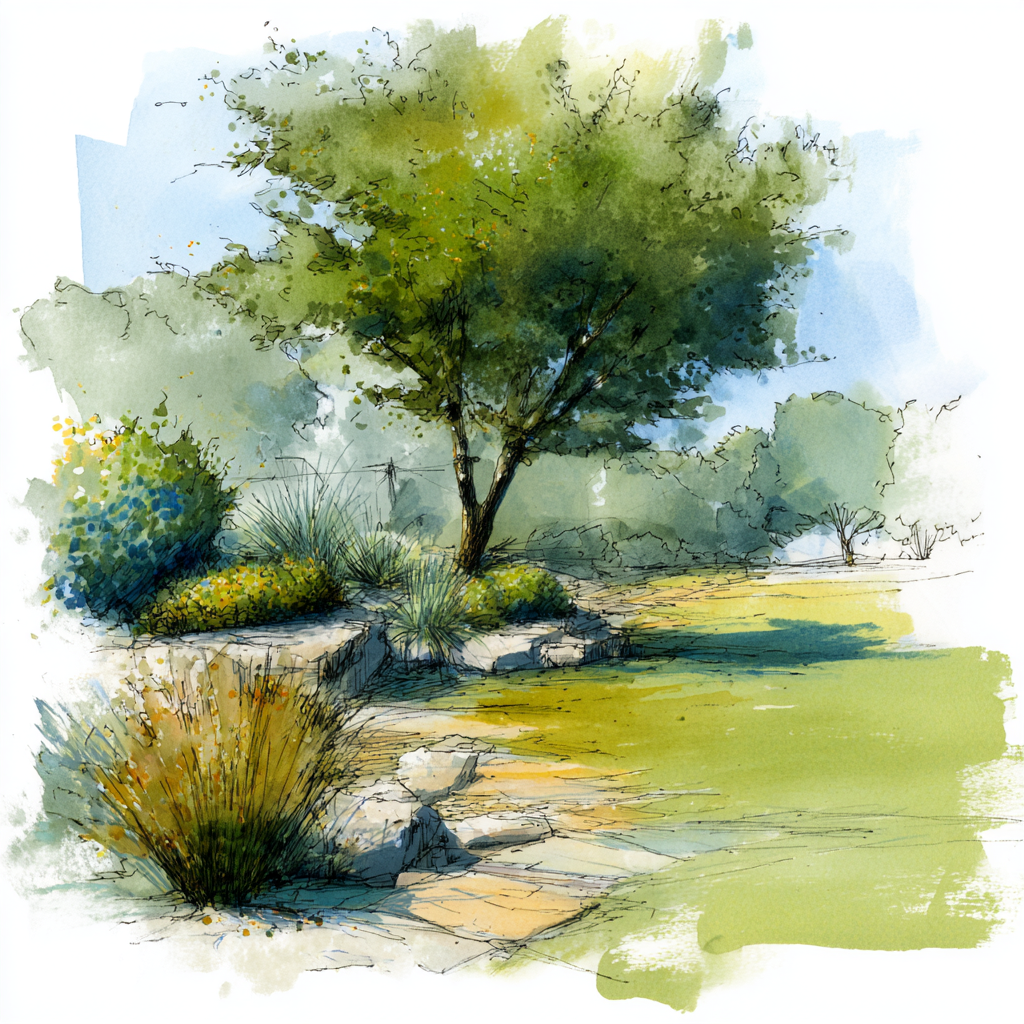
Low Density
Abundant spacing between plants allowing individual plants to stand out. This can work well in drier climates, or sometimes as needed due to a lower budget.
Plant Arrangement
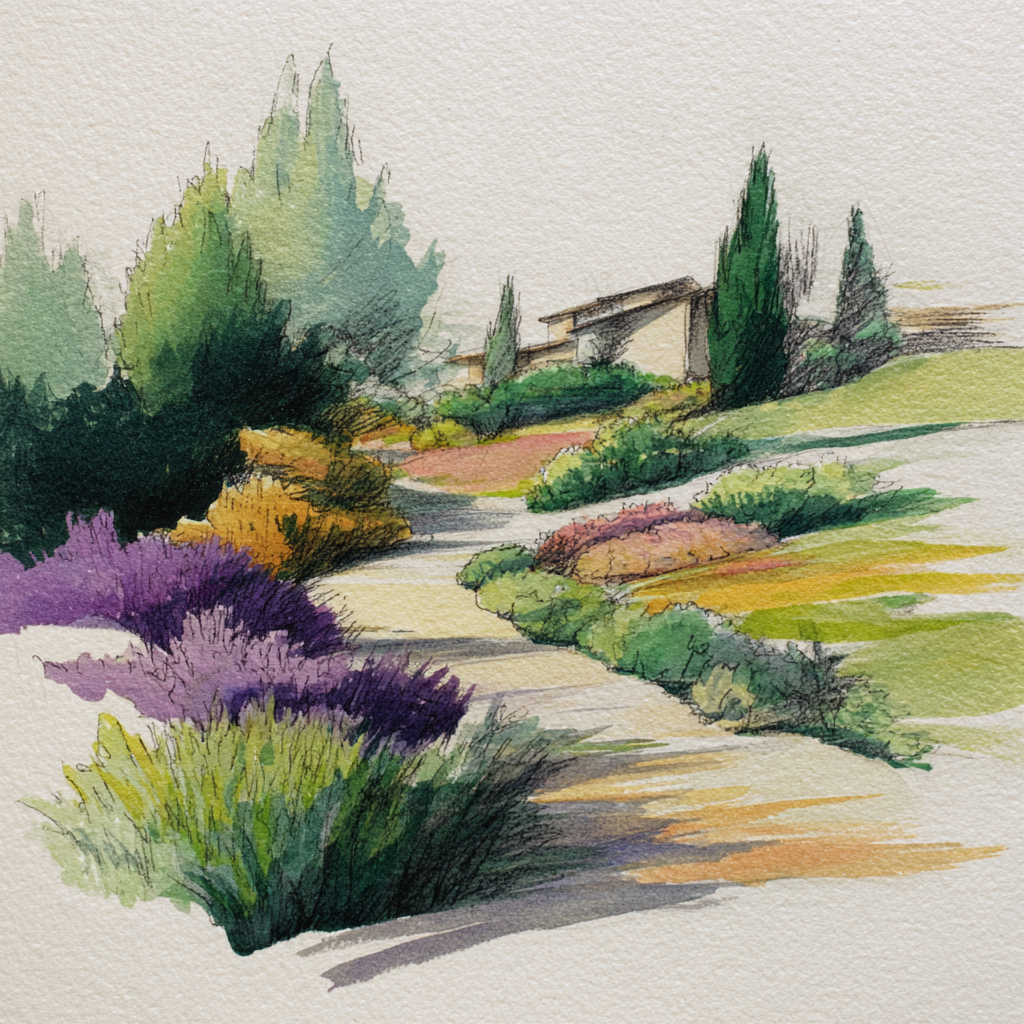
Grouped
Plants are grouped with like plants in drifts or mass plantings. This is often easier to plant and maintain due to like plants being grouped together.
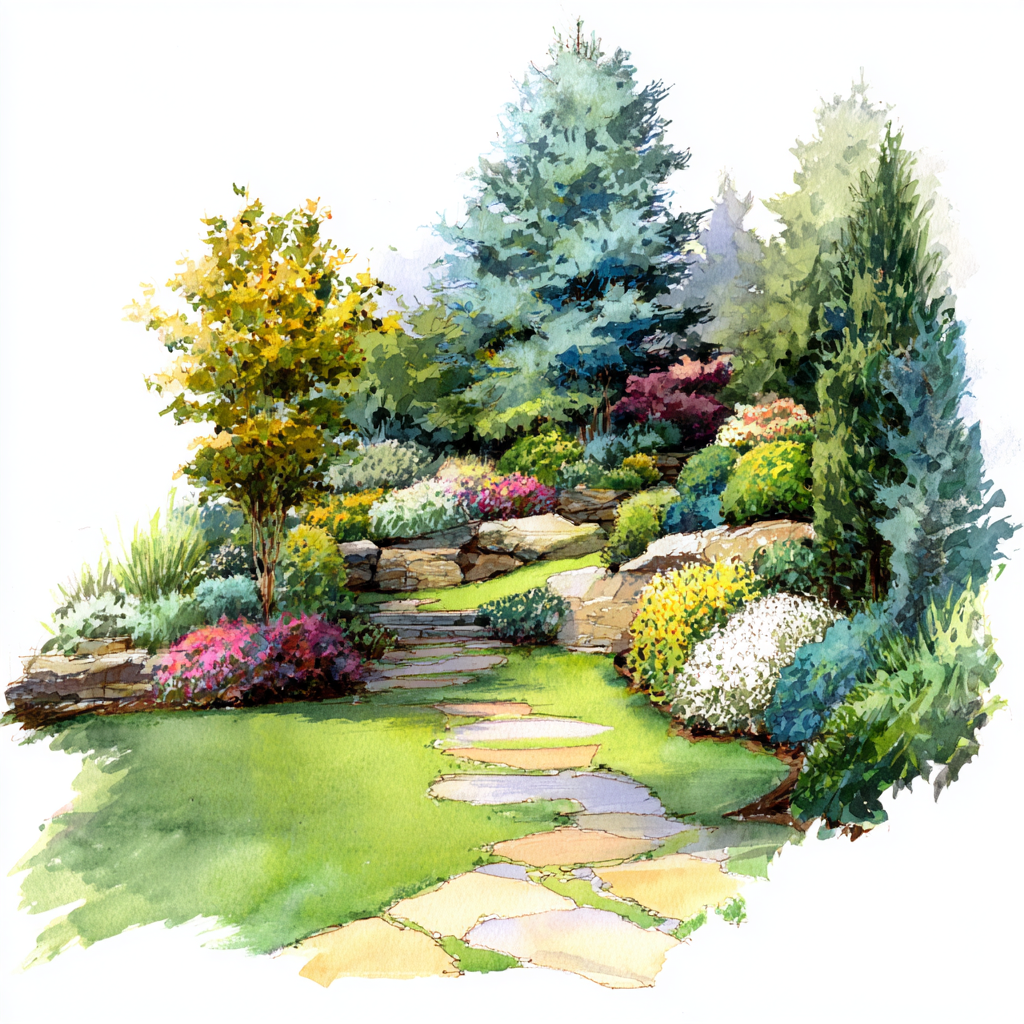
Scattered
Different species are mixed together and scattered throughout the garden. This can be tricky to get right and find great plant combos, but the results can be stunning.
Overall Appearance
The overall appearance reflects the maintenance a garden receives. Unlike formal/informal that focus on how things are layed out, like garden beds, this is a more detailed look at how things are maintained within the beds.
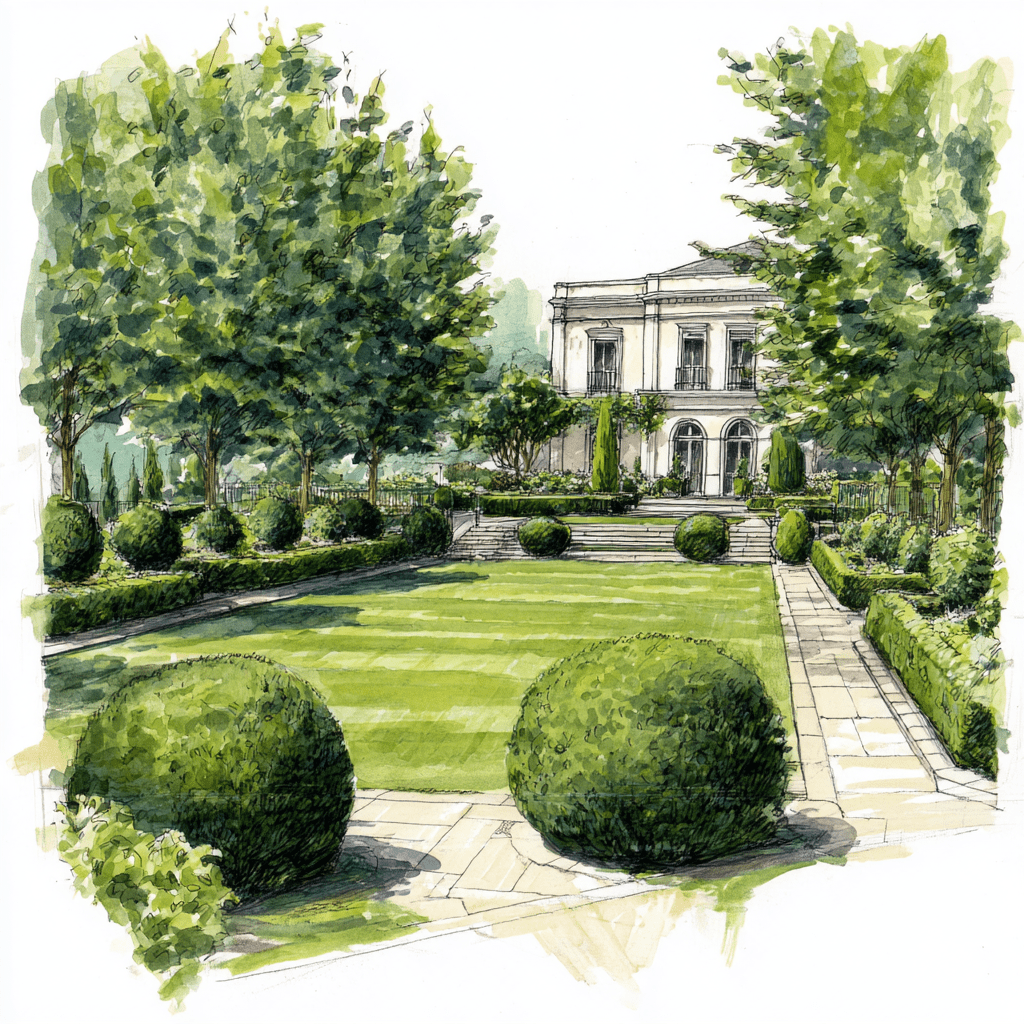
Manicured
Hedges, manicured lawns, highly pruned trees and shrubs, distinct edges. This requires extensive maintenance and work.
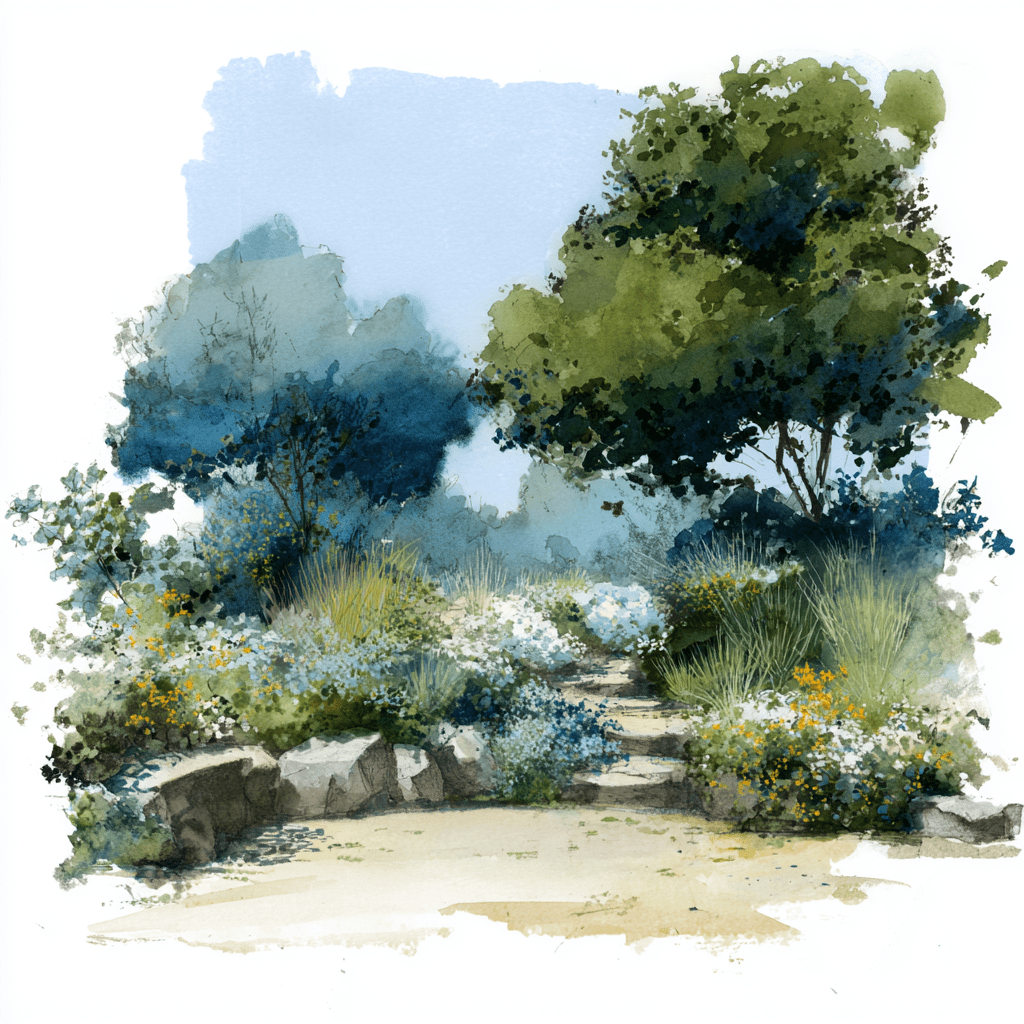
Naturalistic
Naturalistic garden lets plants behave more attune with their natural form. This usually takes less maintenance than a manicured garden.
Included Features
There are many features that can be included in a garden that will influence the style of the garden. These can include whimsical garden art, water features, rocks & boulders, fences, garden structures, and raised beds. You can also include the type of plants you want like evergreens, specific colors of blooms, plants for wildlife or pollinators, etc.
Your Ideal Garden Design Style
When you pull all the categories together, you start to get a clear picture of the type of garden you want. Although this will take more words than traditional garden styles, it gives you the flexibility to create a unique description that perfectly describes what you want in the garden.
This is a paragraph that you can work with to create a garden description:
The garden layout is (formal or informal) and (linear, angular, circular, or curvilinear.) It is a (tropical, desert, temperate, or continental) garden with (trees, shrubs, perennials, tall grasses, lawns, meadows, and desert plants). Plants have (low, medium, high) diversity, (low, medium, high) density, and a (grouped or scattered) arrangement. It has a (manicured or naturalistic) appearance. Features include: (any you’d like).
Here are a couple of examples:
The garden layout is informal and linear. It is a temperate garden with trees, shrubs, tall perennials, and a low meadow. Plants have high diversity, medium density, and a grouped arrangement with some scattering. It has a naturalized appearance. Features include: raised garden beds, water features, and rock gardens.

The garden layout is formal and circular. It is a desert garden with shrubs and some desert plants. Plants have low diversity, low density, and a grouped arrangement. It has a manicured appearance. Features include garden art and a sitting area.
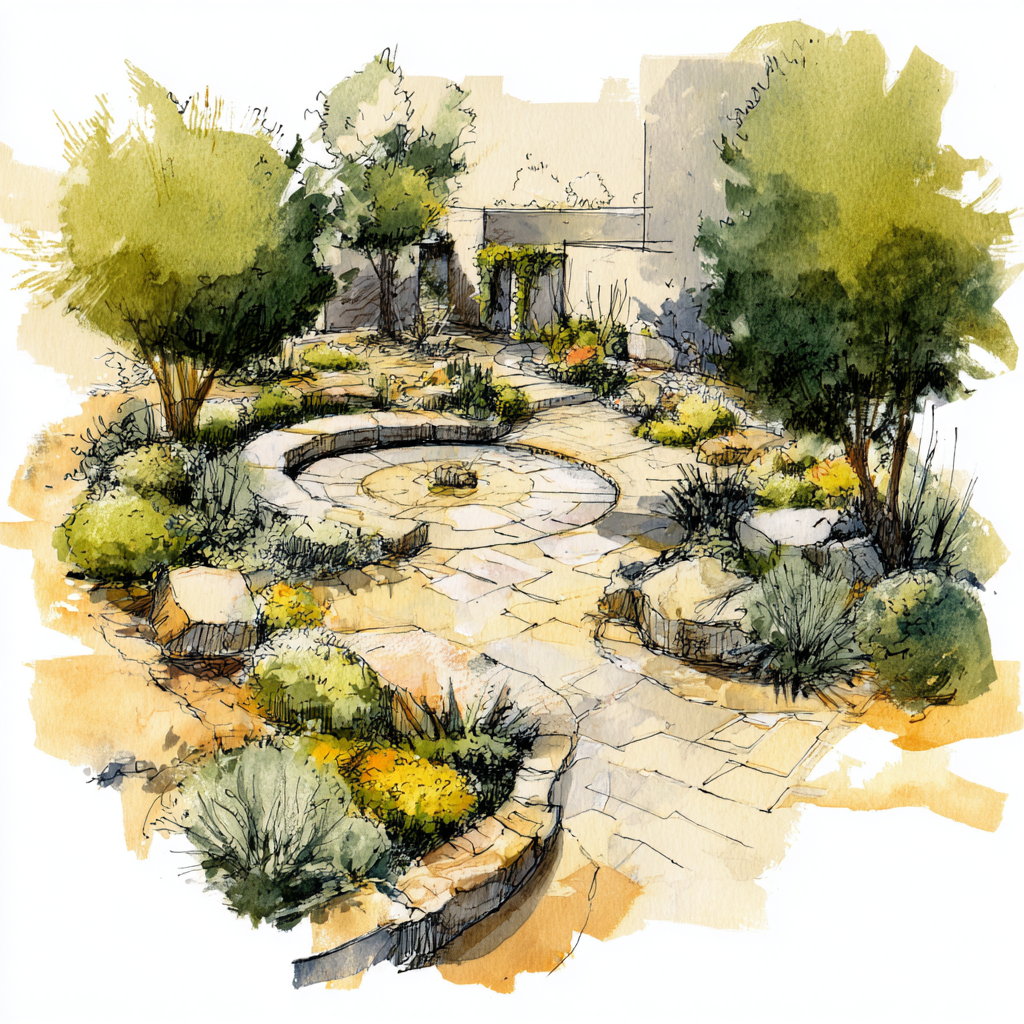
Do you want your own image of your ideal garden style? Email your paragraph to liz@responsive.garden, and I’ll send you back your own customized image. (All images in this post, and what I will send to you, are made with the AI image generator Midjourney.)
 Responsive Gardens