Learn about your goals, desires, and needs, and create the program/design brief for the site that portrays the vision of what you want your garden to be.
One of the first steps in design is determining your desires and needs for the site. Once you have determined what you want, you can develop a site program that clearly articulates these desires and needs: the garden goals.
Even immaculate, beautiful gardens can be poorly planned if the goals, desire and needs for the yard are not clarified. During this step, you will analyze what you want out of your garden. By determining the outputs you would like to gain, and the inputs you are willing to give, you will get a garden that you love—not just because it looks great, but because it is meeting your desires and needs.
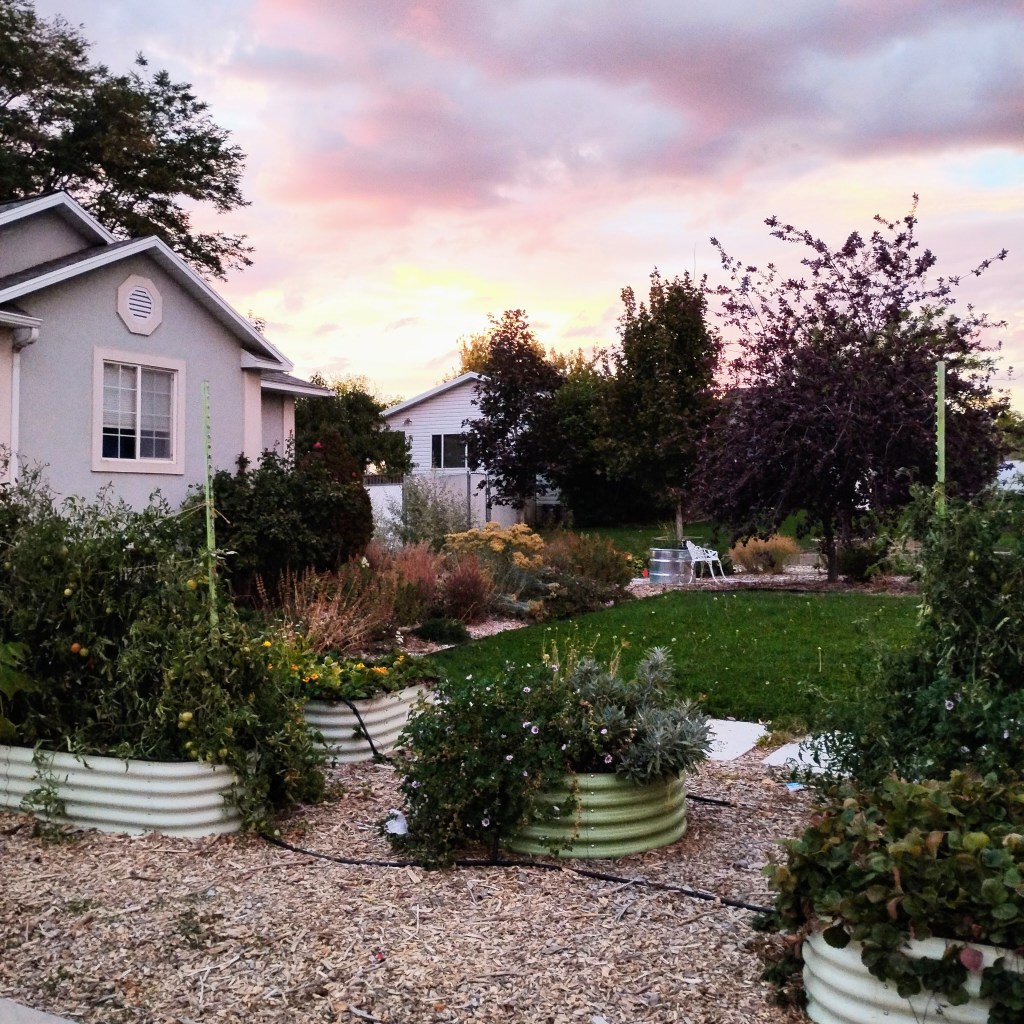
All our garden goals are different. I want an abundance of edible plants, lots of places for my children to play, and a large garden to try out new plants. My neighbors are an elderly couple who prefer a formally maintained landscape and only a small vegetable garden. Another neighbor is a rental unit duplex, with lots of areas for parking and storage, and low-maintenance gardening. All of these gardens are meeting the needs and desires of the people who live there, even though they are all different.
When I walk through my community, I find a lot of yards that are the same. As every garden owner is different, this shouldn’t be the case. When you are looking at your goals and desires for your garden, turn off what you traditionally think of in a garden, and start exploring what could be there, and what you want there.
When you are defining your garden goals, don’t worry about the details like where things are located in the yard, or specific materials or plant varieties. Simply list what you want, and the details will come later on.
To start creating your garden goals, download the form linked below. The rest of this article will explain each of the items on the form. You can use the form and this article simultaneously to compile your garden goals.
Inventory
You are designing for a place and the people in that place. The first step is clearly defining what that is: every garden design I do starts with a client’s name and an address. You can write down a simple definition of the location you are designing for, use your address, or the name of the property if you have one.
A good inventory clearly describes who is using the yard and gathers relevant information about them. Don’t worry about an inventory of the yard itself; that will come in a different step. Focus primarily on the users of the space.
List out those who use the yard, add relevant hobbies, and include any issues like allergies or disabilities. Think outside the box when listing hobbies: some indoor hobbies can move outdoors as well. Also consider pets and animals, passersby that interact with your yard, and those who you invite over into the space. You should also consider how long you plan on remaining in the garden, and what will happen after that time.
Intended Use
Our gardens can be made to support the lifestyle we want. After determining who will use the garden, the next step is to envision how the garden can support them in their ideal lifestyle.
As an initial exercise, try visualizing what you want your ideal garden to be. How do you feel when you are in your yard? What are you and other people doing? What kinds of plants are growing? What does it look like? These thoughts can reflect what you want your ideal lifestyle to be, to help your garden support your goals and desires. Write down your intended use and top priorities of your garden, making sure they support the lifestyle that you want.
Installation and Maintenance
Landscape projects have two phases: landscaping, where the garden is installed, and gardening, where the garden is maintained.
As part of this analysis, try to determine who will be doing the work in the landscape and garden. Designs need to reflect the capabilities of those working with the landscape. If you desire to DIY the entire garden, what will be designed and be able to be installed is directly relevant to your skills and abilities to do so. If you hire professionals, they are often very capable for the installation process, but finding well-trained professionals to maintain anything other than the lawn properly can be difficult.
Determine your capabilities, and include what you actually like to do, how much time you want to spend, and what things you would like to avoid. If you are hiring others to do it, you can consider what is commonly available in your area.
When you think about maintenance, don’t just put low or no maintenance! Every landscape will have maintenance…and everybody’s idea of low maintenance is a little different. Instead, think of the type of maintenance you like or already know how to do. If you like to mow lawns, prune fruit trees, or harvest vegetables, write it down. If you hate lawn care or weeding, note that too.
This section is also the time to consider an ideal timetable of a new landscape installation, as well as the budget for both installation and maintenance costs. A timetable and budget will influence what is possible in the design and should be considered early on.
Most people have more goals and desire then time and money. Consider implementing changes progressively over time. Specify how long you want it to take: if it’s a short-term residence, you might want to quickly make some cosmetic and functional changes, but if it’s a long-term residence, you can plan out different stages of change. Keep it general; we will get into specific timetables after the design stage. Also, remember a garden is never truly done!
Desired Components
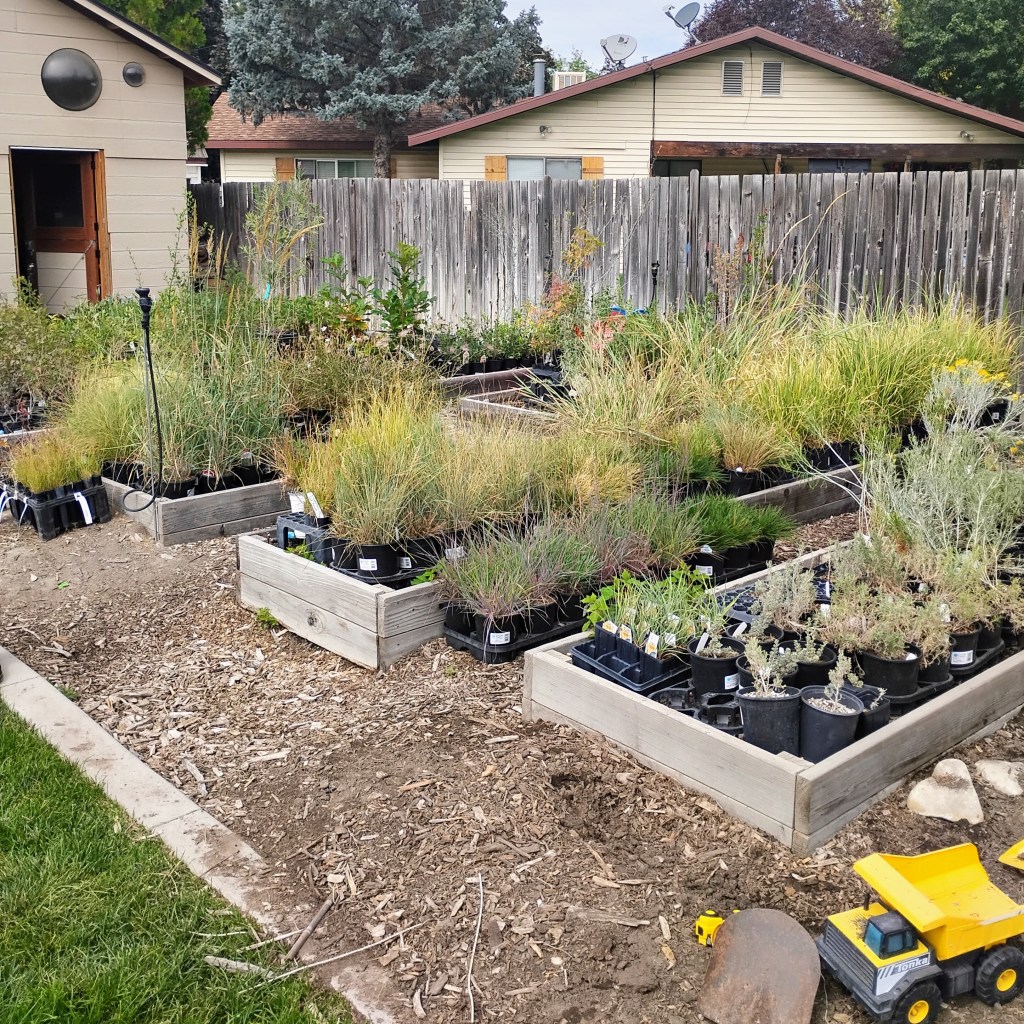
Gardens can be full of wonderful features. This is the time to dream of everything you want in your garden. This can include sustainable components, areas for play and recreation, entertainment, ornamental features, and functional features. When you think of a component, also think of the frequency, time, and seasons of use, and the longevity of the feature. The accompanying form includes a larger list of all the features you can consider for your garden.
Sustainable Components
Sustainable components are those things that help take care of the earth. This can include things like rain gardens, native pollinator plants, or features for wildlife. Consider what function your garden can have to help the local ecosystem, such as providing resources, conserving resources, and contributing to a healthy Earth.
Play and Recreation
A good garden allows for plenty of play. Consider all the sports and outdoor activities of those in the garden. Even consider more than the traditional flat lawn and swimming pool: a sports court, disc golf goal, or water table can all be incorporated into the garden. Many structures are age-dependent: swing sets, trampolines, and playhouses will usually only entertain children in a small age range. Think about how they can adapt to the changing needs of the garden: a swing set is converted from a child’s toy to a bench swing, a large sandbox is used as the base of a patio, a playhouse can become a storage shed or studio.
Entertainment
No need to keep a good garden to yourself! A good garden incorporates people. Daily summer lunch picnics, monthly family BBQ’s, a once-in-a-lifetime wedding, and garden club meetings: a landscape should allow for the people and events they hold.
Ornamental Components
These components can provide embellishment to the landscape. Water features and rocks can provide an anchor to landscape plantings. When considering ornamental features, consider the surrounding natural area: for example, source rocks from onsite or nearby quarries.
Plants
Plants are the highlight of any garden. They can produce food and other products for our use, provide shade, enrich the soil, create beauty, prevent erosion, provide screens, attract wildlife, and more. For this section, think about what plants you like: either the ones you find beautiful, sentimental, or provide you with a product that you want. List any specialty plants you would like to include, like plants to attract butterflies, or edible landscape plants.
Functional Needs
Functional features can include anything that helps you obtain your goals in the garden. This can include things like raised garden beds, greenhouses, work areas, and lighting. These things also address common issues in the garden, like fences for privacy, lighting for safety, and specialty uses like weather stations.
Storage
The garden is often needed for storage, and it is better to plan for it early to ensure there is enough space and the storage will be aesthetically pleasing. Consider year-round storage as well: most outdoor items will last better if they are in protected storage in the winter months. You should also consider the storage of recreation vehicles like campers, and the amount of parking needed.
Style
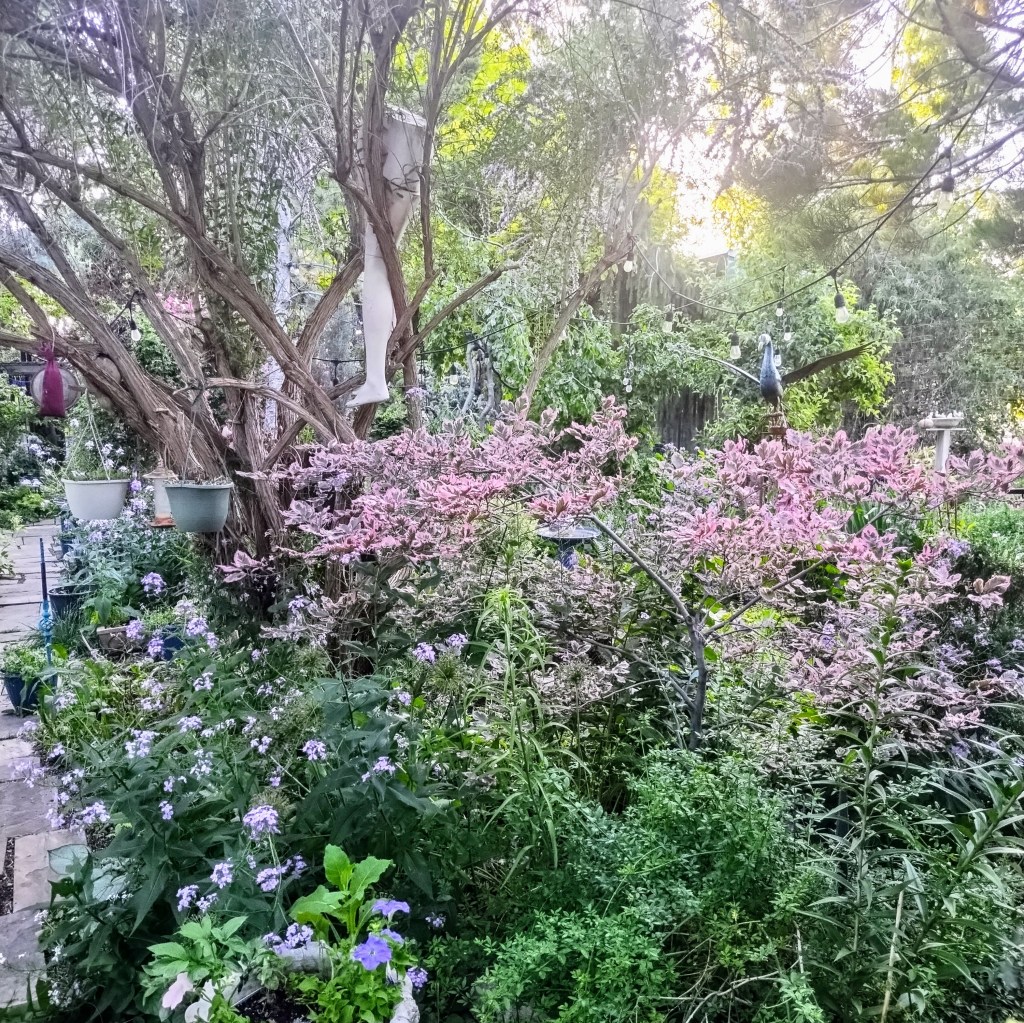
One of the best ways to determine what you want for a design style is simply browsing pictures and examples of gardens. Be realistic and make sure what you want is cohesive with your climate and yard. Try to find pictures of gardens that are close to your climate and situation: better yet, notice gardens in your local area that you would like to copy ideas from. Local gardens have the advantage of being perfectly suited to your climate and hence easily replicable.
The next post goes over style in more detail: check out this post.
 Responsive Gardens