The secret to a good garden is choosing the right plants for the right place. Good plant selection saves you money, prevents headaches, and avoids a lot of dead plants. This requires observation and good research or recommendations. Observation starts by having deep knowledge of your site, so make sure you have completed a Site Analysis.
Good resources for plant selection include books, online databases, extension offices, public gardens, good garden centers, and gardeners in your area. Using multiple sources can help you make sure that the plants you are getting are suited to the site.
Plant selection can go wrong in two ways. First, you can select a plant that is unsuited to the conditions you place it in, and will languish or die. Second, you can select a plant that does so well that it becomes invasive and weedy.
Bad recommendations and scanty or seasonal selections will hinder good plant selection. The biggest mistake in plant selection is not using local sources that are tailored to your situation. There are many plants available that are not worth buying. Some plants are sold across the country that will not do well in your specific region. Other plants are cheap and easy to produce for growers, but unsuited to long-term success in the garden.
When selecting individual plants, consider the following:
- Function: Will the plant perform and achieve the goals I desire?
- Adaptability: Will the plant thrive in the situation?
- Maintenance: How easy is this plant to maintain?
- Beauty: Will the plant look good?
- Availability: Is the plant available and affordable?
Function
This relates back to the plant purpose section described in Planting Design. Ensure each species matches its intended use. Some other functional considerations to keep in mind:
Growth & Size
The growth rate of a plant will determine the time it takes to reach a mature size. Growth rate can be lowered or increased based on the care given to a plant, but there are generalities that exist. For instance, slow-growing trees will take a while to get large, no matter how optimal the care. Faster-growing plants are often also short-lived, so pick them with caution.
Native and Eco-Friendly Plants
Plants used to help the environment are often native plants, but they don’t have to be. Native plants for your ecoregion can be very beneficial. Sometimes they struggle in a garden setting as the conditions are different than the wild, especially with traditional transplanting and establishment. One of the biggest issues with using native plants is availability: being able to find or propagate plants for use in the garden.
Other non-native plants can still provide good ecosystem functions if they are adapted to local conditions. Avoid weedy and invasive species. These are often available in garden centers, but should never be planted in a garden.
Replanting
No matter how carefully plants are selected, they can still die. It is often not a good idea to simply replant a plant that died. Plants die because they are not adapted to a condition, didn’t receive the care they needed, or were attacked by pests. Identify the issue that killed the plant. If it was an acute, easily-fixed problem, you could re-plant the same plant you picked after fixing the problem. An example is if a plant died because the irrigation system was damaged. After fixing the irrigation, the same type of plant can be replanted in that location.
If it is a larger problem that is likely to happen again, find a better plant that will be more resistant to that problem. For example, if you plant a tree for a windbreak, but find it dries out in the wind, pick a new tree that is more adapted to windy, dry conditions.

Adaptability
Many factors contribute to a plant’s ability to thrive.
Climate Tolerance
Includes the ability of a plant to withstand heat, cold, humidity, rainfall, drought, wind, and all other weather conditions. Each area has a general climate, but tolerances can change in microclimates that are either naturally occurring or created.
Cold Hardiness: Plants can handle different winter temperatures. A plant is often primarily grouped by the USDA Plant Hardiness Zone, which is the average minimum temperature in an area. More factors affect plant hardiness, however, so these recommendations should be used as guidelines, not absolutes. For instance, an area with frequent freeze-thaw cycles will be harsher on a plant than an area with consistent temperatures and good snow cover. When considering cold hardiness, also consider the value of the plant. A marginally hardy perennial might be worth trying, but think twice before planting a borderline tree that would cost hundreds of dollars to lose due to winter kill.
Heat Tolerance: Plants with good heat tolerance can handle high temperatures without loss of vigor. Plants that are not heat-tolerant often need excessive water to stay alive in hot temperatures.
Extending Tolerances: A plant can grow outside its preferred climate by creating microclimates. This can include creating shelter, providing shade, protecting plants in cold weather, utilizing reflected heat, and increasing irrigation. Some plants are simply replanted if they die, like many annuals that live year-round in warmer climates.
Light/Exposure
Plants are generally grouped into three or four exposure categories: sun, part sun or part shade, and shade. The amount of light the plants receive can depend on more factors than hours of sunlight. Latitude, elevation, humidity, and temperature will affect a plant’s affinity to light. What might grow in full sun in one climate will wither and die in full sun in another. Plants usually have a range of tolerance, for instance, part-shade to sun.
Sun: 6–8+ hours of direct sun. Includes many flowering plants, trees, and shrubs, and most fruits and vegetables. Plants need sun to grow, and full-sun plants are abundant. Many plants, however, do not like the heat from tons of sun. The most common symptom of a plant in too much sun is leaf scorch. Some plants will withstand hotter and sunnier conditions with increased irrigation.
Part Sun/Part Shade: 3–6 hours of sun. Part sun plants generally enjoy more sunlight than part shade, but the terms are used interchangeably. Morning sunlight is much cooler than evening sun, and many plants are more adapted to periods of morning sun and afternoon shade.
Shade: Less than 3 hours of direct sun. The level of shade can differ dramatically depending on the cover. For instance, a heavy tree canopy might let in only indirect sunlight, but an open canopy creates dappled shade with much more light. Heavy shade is much harder to find plants adapted to. Extremely shaded areas, like under the canopy of a mature evergreen, will usually not support any plant life. Shade plants are often planted for their unique foliage, and flowers are typically more subtle than sun-loving plants.
Extending Exposure: Plants can withstand different exposures with specific care. Try increased irrigation for plants in full sun, provide shade in hot summer months, and prune the canopy of trees to allow more sun in
Soil
Different plants are adapted to all soil types. A loose, fertile loam high in organic matter might be what all gardeners dream of, and many plants thrive in those situations. But other plants actually favor infertile, rocky soils.
While amending, replacing, and cultivating can change the soil, it is often a long and sometimes ineffective process. It is often much better to find plants that are adapted to the soil situation you have rather than trying to change the soil. For instance, a native meadow can thrive in poor soil, rather than trying to grow a rose collection.
One of the best ways to determine what soil a plant will adapt to is to look at its native habitat, or where it grows naturally. Desert natives prefer gravelly, dry soil, whereas a native woodland plant would like a rich, moist loam. However, many plants tolerate a wide range of soil conditions.
pH: One other specific soil characteristic to look for is pH. Many plants love acidity or alkalinity and will not thrive in situations outside a certain pH. Blueberries, for example, enjoy a pH ranging from 4 to 6. Above that range, the plant will experience nutrient deficiencies and fail to thrive or die. High pH can be difficult to change, and it is better to simply plant plants that are adapted to the current situation.
Texture, structure, and drainage: These characteristics are related. While the ideal is a loam, different plants can withstand sandy or clay soil types. Plants adapted to clay-type soils can also be adapted to poor drainage and compaction, common problems in clay. Plants adapted to sandy soils often need good drainage and will rot in overly wet situations.
Fertility: Not all plants will need additional inputs of fertilizer, or require a soil that has naturally high nutrient levels. Choosing plants that need no or low amounts of additional fertilizer creates a more sustainable situation with fewer inputs. Some plants that are desired, especially for production, might need added fertilizer regularly.
Water
Plants tolerate different amounts of water and drainage. Some can live with very little water. On the other side of the spectrum are aquatic plants that live in standing water.
Xeric (Dryland): Plants from arid climates that require little water and prefer high drainage. They are often sensitive to “wet feet” and can die in poorly drained or wet soils. Often referred to as waterwise or drought-tolerant plants.
Conventional (Mesic): Plants prefer moist, well-drained soils. These include a lot of traditional landscape and garden plants. They require irrigation in dry climates.
Riparian (Hydric): Plants that are adapted to waterlogged or poorly drained soils. They prefer moisture and often struggle in well-draining or dry soils.
Climates have different amounts of rainfall, which affects the plants that are adapted to an area. It is customary in dry climates to provide irrigation to increase the number of plants that can grow. Knowing the precipitation patterns for your area will help to determine the irrigation needs of a plant.
Many plants also need different amounts of water depending on how old they are or the season of growth. Most new plants need more water as they develop their root systems. This establishment phase generally lasts for one to two years. After maturity, the plant is generally more drought-resistant. A plant can also need more when it is hot, and it is actively growing.
Plants in an irrigated garden are grouped into four categories:
- Very low: Xeric plants. No additional irrigation is required, except in extreme drought.
- Low: Xeric and some conventional plants. Additional water will be required in the heat of the summer.
- Moderate: Conventional plants. Regular irrigation benefits plants.
- High: Conventional and riparian plants. Frequent irrigation is required.
Pest Resistance
Insects, animals, diseases, and environmental conditions can cause plants to be unhealthy and need further input to survive. The best way to initially combat plant pests is to plant plants that are resistant. Many resources are out there that identify plant varieties that are resistant to certain diseases, and plants that can withstand a range of environmental conditions, including things like deer resistance. Pests differ based on location and climate, so pest resistance is location-specific. The best resource to find out more about common plant pests and resistant plants is the local extension office.
Maintenance
If you pick plants that are adapted based on the factors discussed, the plants will require less maintenance. A poorly adapted plant often needs more help, especially during establishment. This can include fertilization, pruning, pest control, and irrigation.
Some plants will require regular pruning, especially if they are placed in an area that is small for their mature size. Pruning is often directly related to how you want a plant to look: most plants will do quite well without pruning, but can look ungainly or produce less.
Plants also require seasonal cleanup, like raking dropped leaves, replacing annuals, and cutting back grasses and herbaceous perennials. Deadheading and cutting back is often required for some perennials and annuals to continue to look good and bloom all season.
Look out for a plant’s ability to spread or reseed, which can be a positive or a negative. If you are trying to have a wild-looking garden or cover a large area, spreading can be a bonus. Plants that spread rapidly and are put into tight places will be a maintenance headache.
Beauty
Form/Shape
The outline of a plant is its basic form or shape. Pruning can greatly affect the natural shape of the plant, but it will require more time if it is substantially different from the natural form. Some plants are ungainly and have a lack of consistent or symmetrical form. Other plants maintain a nearly geometrical shape, without pruning.
Texture
The texture of the plant refers to the overall feel of the plant. It includes the actual feel of the plant, along with the overall appearance. Some plants are rough, spiky, or harsh in texture, like cactus or conifers. Other plants are smooth and soft, like hostas or lamb’s ear.
Foliage
Plant foliage is the leaves and stems of the plant. Many plants are grown for their interesting foliage. The foliage of plants grown for their flowers should still be considered, as foliage exists longer than flowers. A main characteristic of foliage to consider is seasonal interest, including evergreen plants that maintain live green foliage in winter, and fall colors.
Flowers
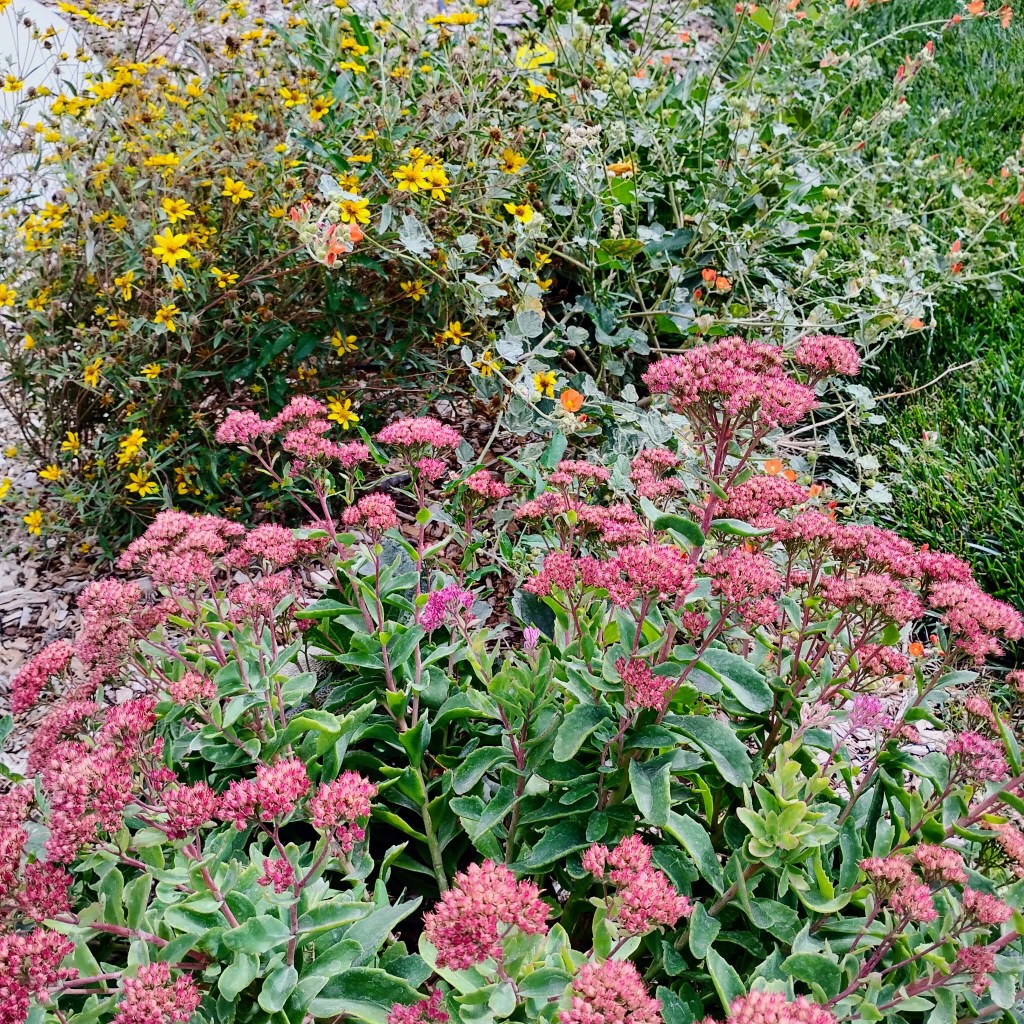
Flowers are often what come to mind when thinking of the ornamental nature of plants. Flowers can last nearly the entire growing season, as in the case of many annual flowers, or only for a short window. For good plant design, consider the window of flowering. Use the window to determine how to maintain interest all season, and how the plant interacts with other plants during that window. Consider flower color, form, placement, and abundance or density.
Bark
For woody plants, the bark can be a defining ornamental characteristic. When the bark is lovely, it can provide year-round interest. Maintenance can affect how ornamental the bark appears: foliage can cover it, and old or new bark can lack the desired characteristic.
Fruit
The fruit of a plant can have ornamental value. Fruit generally arrives late in the season, after flowers have passed.
Thickness/Density
Some plants have sparse foliage, while others are denser. This can affect not only the appearance of the plant, but also how it interacts with other plants. A dense tree has more shade, affecting the surrounding vegetation. Thinner plants can be planted more closely.
Availability
You might research and find the perfect plant for your situation, but it’s of no use if you can’t find the plant. Double-check your desired plants against what is available at the garden center. Some garden centers and nurseries have plant lists with availability online, and you can use these resources to find plants to plant. Finalizing plant selection at the garden center is often a great option.
If you are set on a plant but can’t find it at a local nursery, you can try ordering it from reputable websites that offer online plant sales. Another option is to grow and propagate the plant yourself: this can be a challenge, but it is often rewarding. There are also plants that will grow readily from seed without much effort. A final option is to get a start from a fellow gardener or the wild. Make sure you follow any regulations about plant gathering on public land, and have permission from private owners.
Tips
Choosing the perfect plant can be a research-heavy project. If you want a simpler route, here are two suggestions:
1)Simply notice plants growing in conditions similar to your own, for example, in a neighbor’s yard. Identify and replant these plants.
2)Try different plants in smaller trials. Wait and see what grows well and what doesn’t, and then grow more of what worked well. Be willing to give up on and replace plants that do poorly.
Finding the right plant for the right place is a joyful experience. Plants are the highlights of gardens, and spending the time to find the right plant is worth it.
 Responsive Gardens