
Eco Gardens
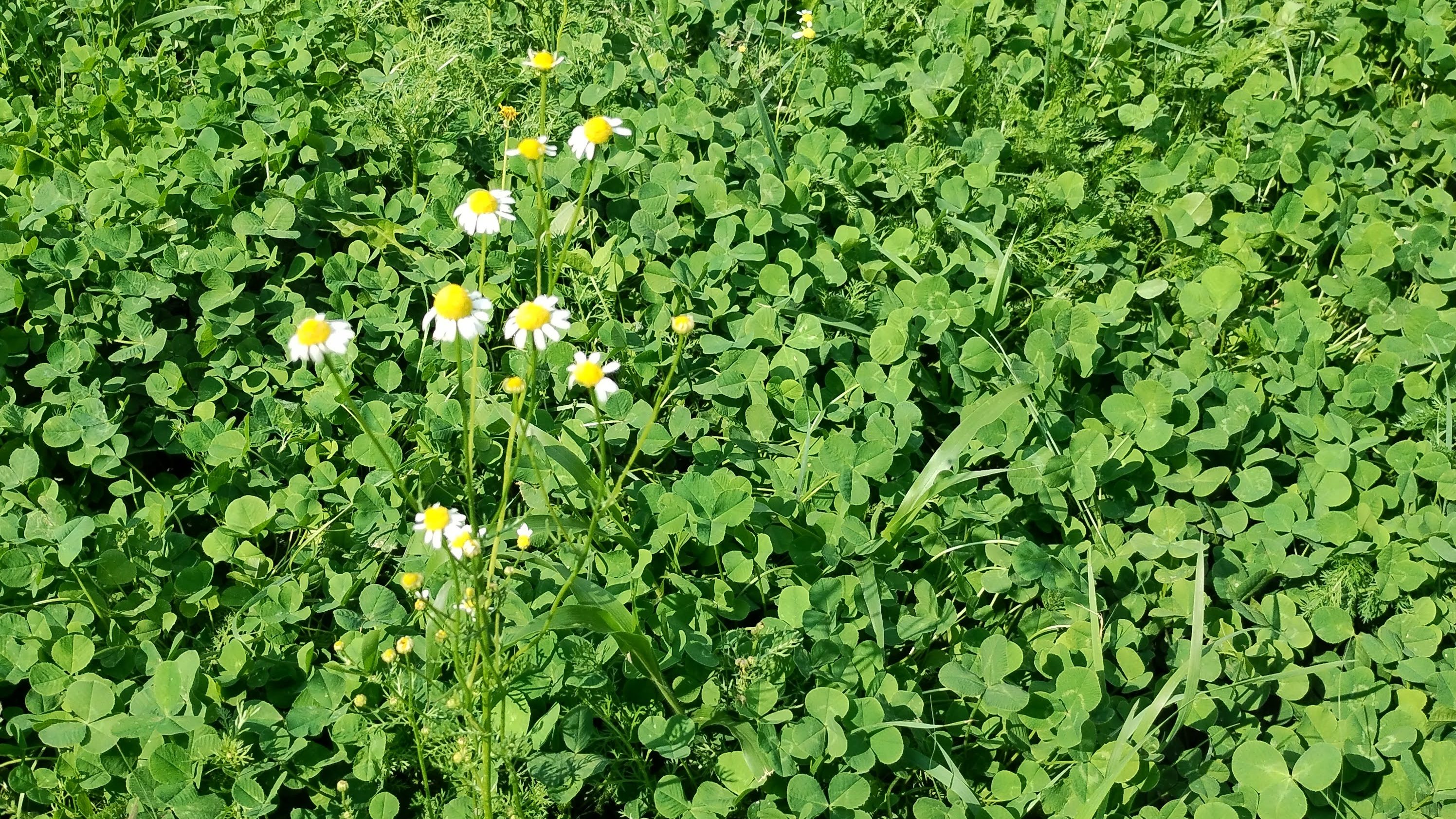
Gardens can be places that can have a huge positive impact on the environment. Learning to work with nature will create create regenerative, sustainable solutions that help the local ecosystem. Sustainable landscapes can include gardens with a focus on ecology, wildlife, pollinators, permaculture, edible and useable plants, and food forests.
How can gardens make a positive impact on the environment?
- Provide local source for food and other products
- Promote pollinators
- Provide wildlife habitat
- Promote biodiversity
- Preserve native plants
- Reduce heat islands and promote cooling
- Conserve water and other resources
- Enhance soil health and prevent erosion
- Provide carbon sequestration
- Eliminate waste and harmful runoff
- Promote clean water and air
- Create a place for rest and relaxation
Gateway to Permaculture Workbook
This workbook will guide you through the basic principles of permaculture through design. It is a great place to start learning permaculture and learn how to apply your knowledge to new designs.
Note that this workbook is still in beta form, there are still occasional mistakes and I’m looking to make it better. If you have feedback, reach out to me!
The workbook is available for free by filling out the form below. You are also welcome to support me by purchasing the workbook on the left: you can pick your price. If you have any problems accessing the download please email responsivegardens@gmail.com.
Articles on Eco Gardens
-
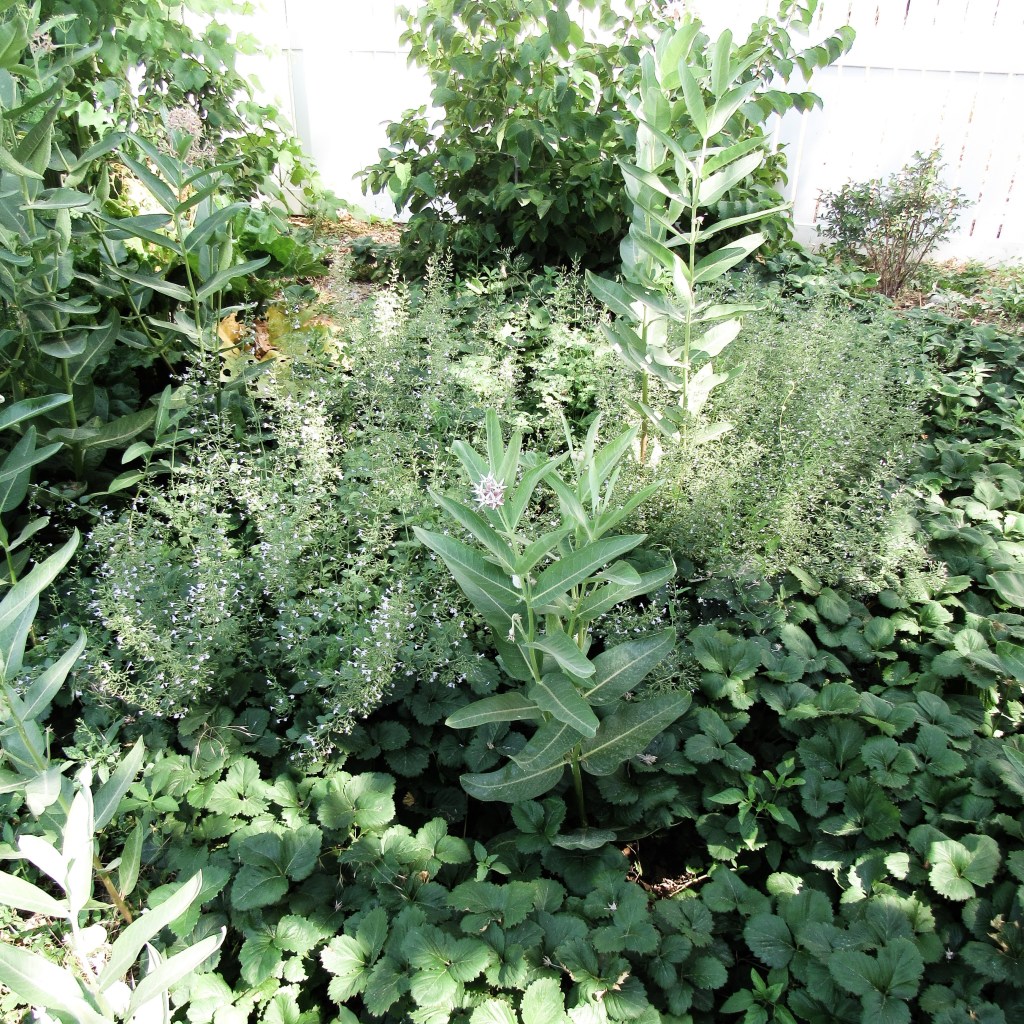
Permaculture Principles Comparison
Almost every book or course on permaculture has a section on principles. They are not all the same. Here’s a summary and comparison of commonly used principles. The first set of principles that I see most commonly used are by David Holmgren in his book Permaculture: Principles and Pathways beyond Sustainability and other works. Observe and…
-

Organic Pest Control
The first step is Prevention. It is far better to avoid pests than to combat them. How do we prevent pests and diseases? Keep plants healthy: Give them good soil, and the right amount of water (not too much or too little). Selects plants that are disease resistant and adapted to our climate: Plants have…
 Responsive Gardens